Introduction
We built our infrared heating lamps with one thing in mind: bathrooms. Commercial or residential, it doesn’t matter. They need heat that shows up instantly, right where you need it, without demanding a total overhaul of your electrical system. Here’s the deal: it’s all about matching the lamp’s power to the size of the room. Get that right, and you’ve got a system that’s efficient and reliable. Get it wrong, and you’re either tripping breakers or watching your energy bill climb.
Let’s Talk Power and Voltage
It all starts with wattage. Our heaters run from 150W all the way up to 2500W. The physics are pretty straightforward—a 2500W unit throws out a lot more heat than a 150W one. So if you’ve got a huge, open bathroom, you need that kind of punch. For a tiny powder room, something smaller keeps things perfectly cozy without overheating. Then there’s voltage. We offer both standard 230V and high-voltage 400V models. A 400V heater pulls less current for the same wattage, which means you can use thinner wires and don’t have to worry as much about voltage drop over long runs. But that power comes with a catch—high-voltage units need an electrical setup that’s ready for them. You’ve got to plan your wiring to match.
The Heart of the Lamp: The Halogen Core
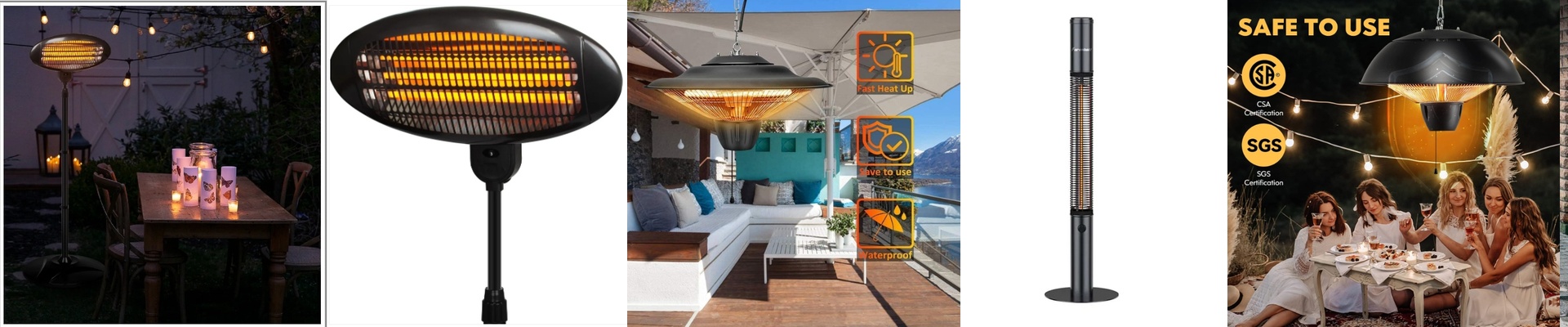
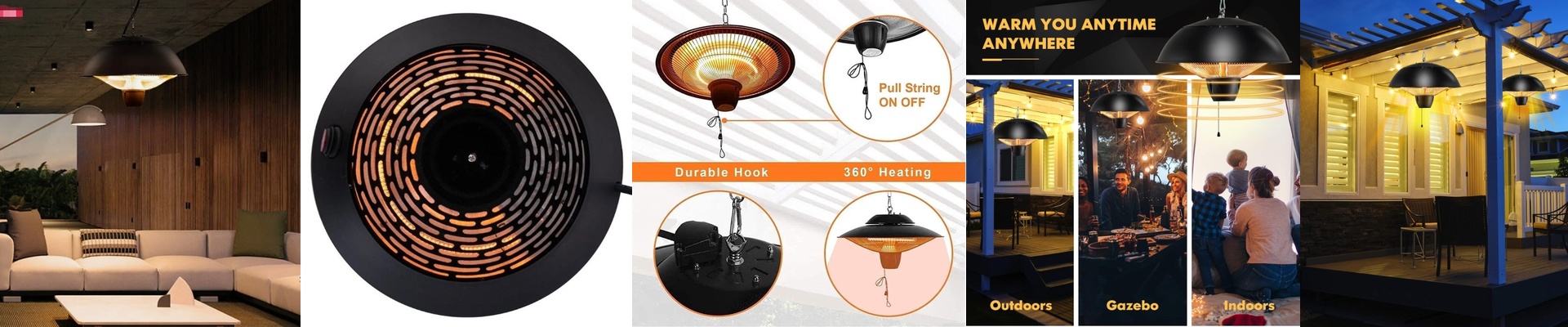
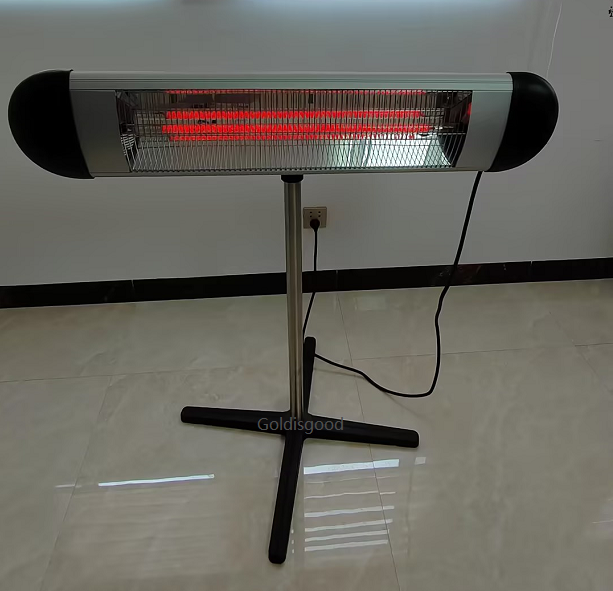
Inside, we use a halogen-filled quartz envelope. This keeps the filament at a steady temperature, which means the infrared output stays consistent. The glass itself is coated to block visible light, focusing all that energy into pure, warming infrared. What does that feel like? The heat goes straight to the floors, the walls, and the people in the room—not into warming the air. It’s a direct, comforting kind of warmth. And the R7s connector? That’s the standard for these linear tubes. It gives you a solid, two-point connection that can handle the heat and expansion of the quartz tube without getting loose. It’s built to take the daily on-and-off cycle without burning out.
Getting the Size Right for Your Bathroom
It’s all about matching the lamp to the space. A 10-square-meter bathroom? A 1500W unit usually does the trick. A massive 30-square-meter area? You’ll likely need to run a few 2500W units. This way, you’re in control of your energy use. The heat is instant, so you’re not paying to keep empty air warm. These lamps drop right in to replace older systems, but you still need to do the math. Make sure your wiring and circuits can handle the total load. When you get it right, you end up with a heating system that’s efficient, effective, and feels just right.