
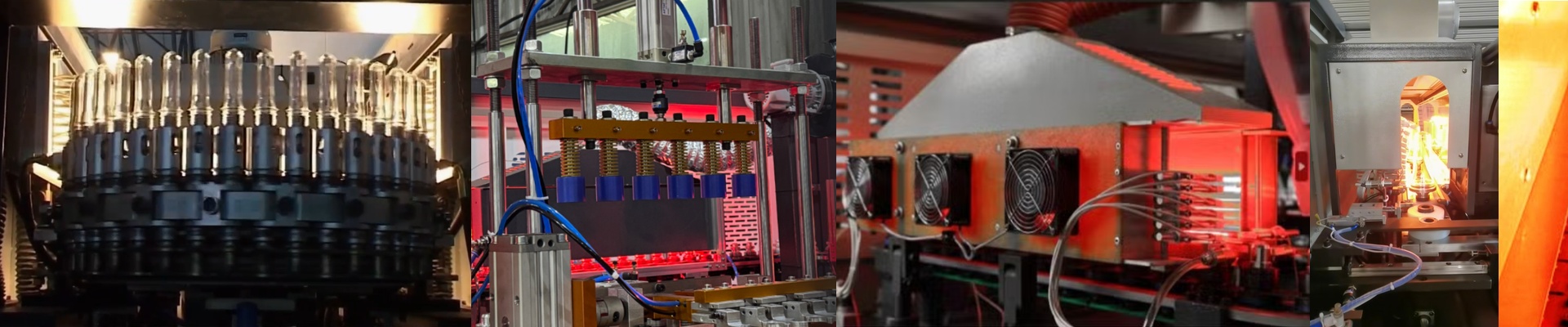
Walk into a busy kitchen at the height of service and listen for the one sound that matters: heat, right when you call for it. The ticket board lights up—pizzas to turn, bread to finish, proteins to brown—and the oven has to answer without hesitation. If the element lags, the bake profile drifts, and the whole line stutters. In that moment, you don’t need promises. You need a heating element that keeps up, day after day, under real heat stress. Heavy-duty quartz tubes have earned their reputation in commercial ovens because they heat fast, hold steady, and deliver repeatable results. Whether it’s a pizza deck oven, a bakery deck oven, a rotary oven, or a high-volume convection unit, the element is the heartbeat of the bake chamber. When it’s built for commercial duty, the kitchen breathes easier.
What matters under the hood
Quartz tubes in commercial kitchens aren’t just “heating elements.” They’re a compact radiant platform, built to survive high temperatures, rapid cycling, and the mess of a working kitchen.
- Quartz that can take the shock: Quartz handles fast temperature swings better than many ceramics. That’s critical when you’re pulling a cold deck back to bake temp quickly, or when a rotary oven cycles between bake and hold.
- Built for the long shift: Wall thickness and end-seal construction are sized for continuous duty, not intermittent home use. That means fewer failures at peak service and less downtime.
- Fast response, stable output: Quartz tubes come up to temperature quickly and hold their set point more consistently. Less waiting for recovery after door openings. More consistent crust formation.
- Radiant heat where it counts: The heat comes primarily as radiant energy, directly targeting the product surface. In a deck oven, that means the stone hearth gets heat right at the contact point, so the bottom crust sets cleanly without scorching. We build these tubes to match commercial power profiles, with voltage and wattage options aligned to oven manufacturers’ specs. Physical dimensions are engineered to fit standard mounting and clearances, so the element swaps in clean during maintenance.
Why this works across the board
Different stations need different heat behaviors. One element can’t just be “good enough” for everything. Heavy-duty quartz tubes earn their keep because they adapt to how each station actually runs.
Pizza: crisp crust, controlled leoparding
In a pizza deck oven, the stone hearth needs rapid, even heat. If the element recovers slowly, the crust steams instead of crisping, and the timing of toppings, cheese melt, and char falls apart. Quartz tubes bring the deck back to temperature fast, so every pie launches on the same heat floor. The result is a more consistent bake—predictable bubble structure and crust color.
Baking: even color, repeatable doneness
Bakery deck ovens live on consistency. Load after load, the loaf should look and feel the same. Radiant heat from quartz tubes cuts down on the uneven hot spots that can make one side of a loaf darken too quickly. Scoring becomes predictable, crust development even. When the thermostat calls for heat, the element responds immediately, keeping the baking chamber stable through long fermentation-to-bake cycles.
Roasting and grilling: fast sear, steady reserve
Rotary ovens and roasting ovens need a strong heat reserve and quick recovery. Quartz tubes deliver that surge when the door opens and a cold load goes in. That initial blast sets the exterior quickly, locking in juices and building the browning that drives flavor. Once the product is in, the element settles into a stable pattern, so internal temperatures climb without overshoot.
Convection and warming: steady, reliable holding
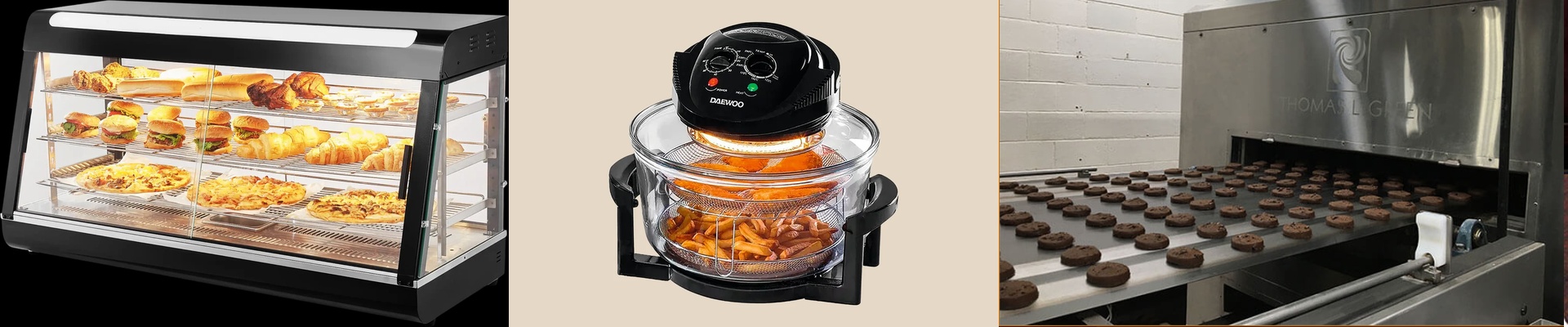
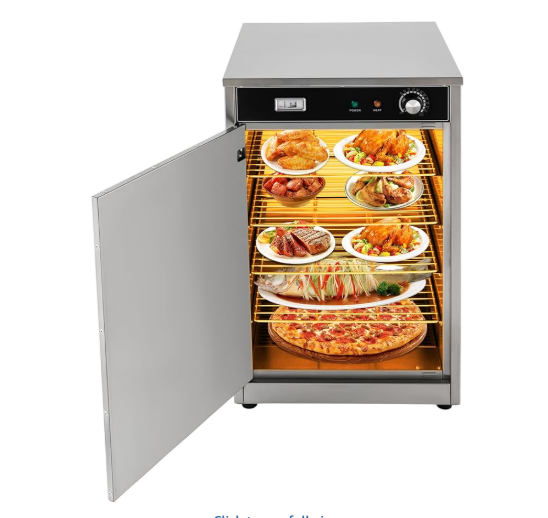
In convection mode, air moves fast, but the element still has to deliver stable heat input. Quartz tubes hold steady under airflow, reducing temperature swings that can dry out proteins or over-crisp delicate items. For holding stations, consistency is the whole game. The element maintains a stable environment so food stays at the right temperature without scorching or drying. In everyday kitchen terms, the gains show up as:
- Faster recoveryafter door openings and new loads, so service keeps moving.
- More consistent resultsacross shifts, so plating standards hold.
- Fewer element replacements, because the heavy-duty construction is sized for commercial duty cycles.
- Energy use that stays disciplined, since the element hits target temperature quickly and maintains it without long overshoot.
The practical details you’ll want to get right
Heavy-duty quartz tubes are straightforward to integrate, but real kitchens have real constraints. Here’s what to keep in mind.
- Match the oven’s power and mounting spec: Wattage, voltage, length, and end-fit have to line up with the oven’s design. If the specs are off, performance drifts and service life takes a hit.
- The control matters as much as the element: A well-matched thermostat or control system is necessary. Even the best tube won’t fix a control that’s out of calibration.
- Install with proper clearance and alignment: Quartz tubes need the right spacing to radiate effectively and to avoid contact with pans, racks, or hardware. Misalignment causes uneven heating and raises the risk of breakage.
- Respect thermal shock limits: Quartz handles rapid changes well, but extreme cold-to-hot shocks—like dousing a hot element—will still risk cracking. Keep cleaning and startup procedures consistent.
- Keep the environment clean: Grease buildup and heavy soil create hot spots and accelerate wear. A regular cleaning routine protects the tube and keeps heat distribution even. If you’re running a deck oven, rotary oven, or convection oven and you’re tired of slow recovery, drifting temperatures, and elements that fail at the worst time, heavy-duty quartz tubes are a practical upgrade. They’re not flashy. They’re dependable—the kind of dependable that keeps bake times honest and service moving. We build them for the long shift, not the occasional bake. When your oven is ready the moment service is, your food shows it.