
Introduction
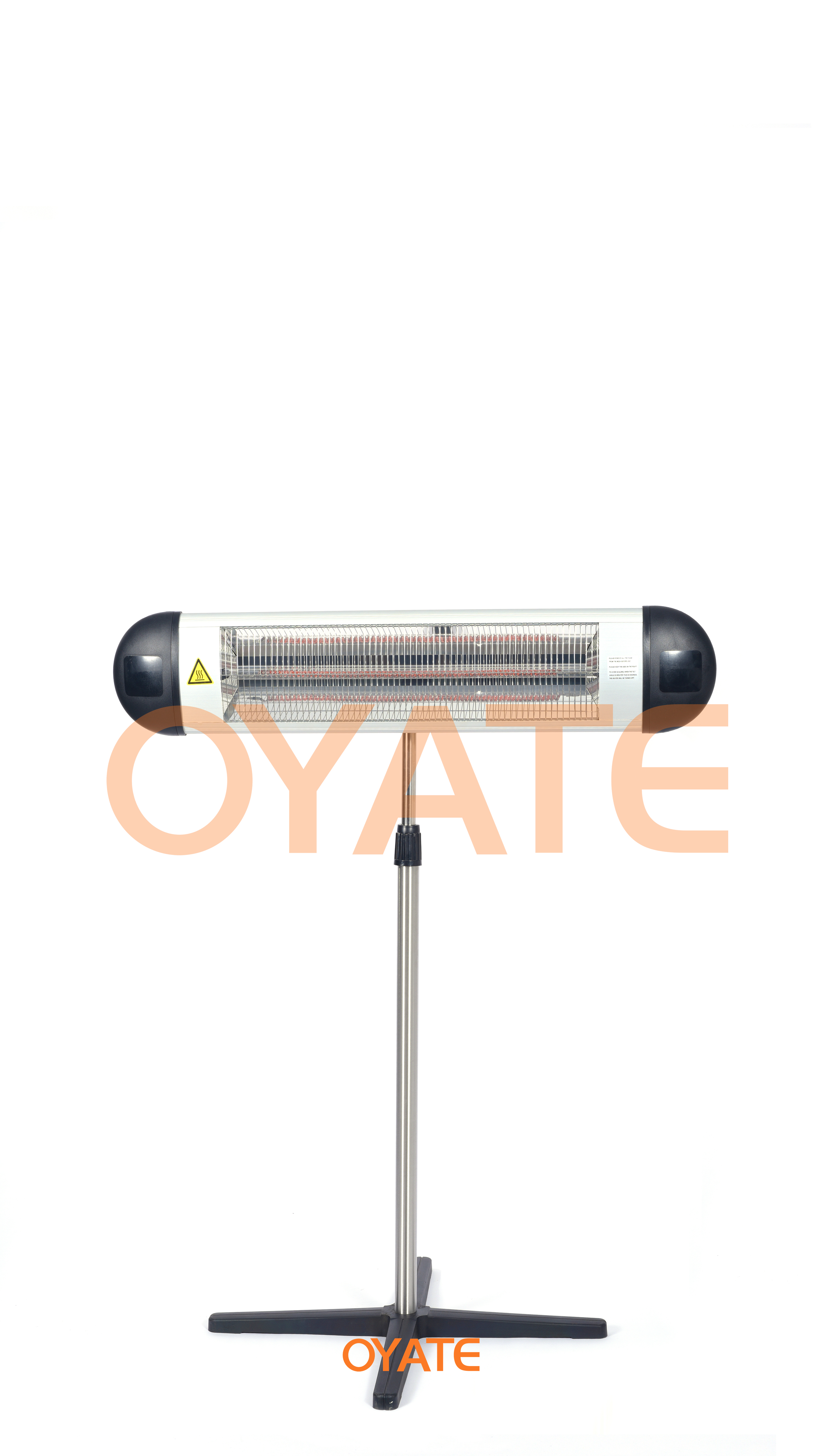
We built these infrared heaters for one reason: to get heat exactly where you need it. Forget those old convection systems that just warm up the air and waste energy. Our heaters go straight to work, warming the people and objects that matter. The tricky part? Getting the power just right. Too weak, and the room never feels cozy. Too strong, and you’re throwing money away on upfront costs and electricity. So let’s cut through the guesswork.
The Power Behind the Warmth
Here’s the heart of the matter: power density. We size our units to deliver the exact wattage your space needs, based on how it actually loses heat. Ever notice how a north or west-facing room feels colder? Wind and the sun’s angle can make a huge difference. Same goes for drafty old windows or thin insulation. Those spots bleed heat, which means you need a heater with a bit more muscle to keep things comfortable. On the electrical side, these things run on standard voltage. So they just plug right into what you already have. No hassle. And the length of the heating element? That’s not by accident. It’s carefully designed to spread the heat evenly across the target area. No hot spots. No cold corners. Just steady, even warmth.
What Makes Them So Tough
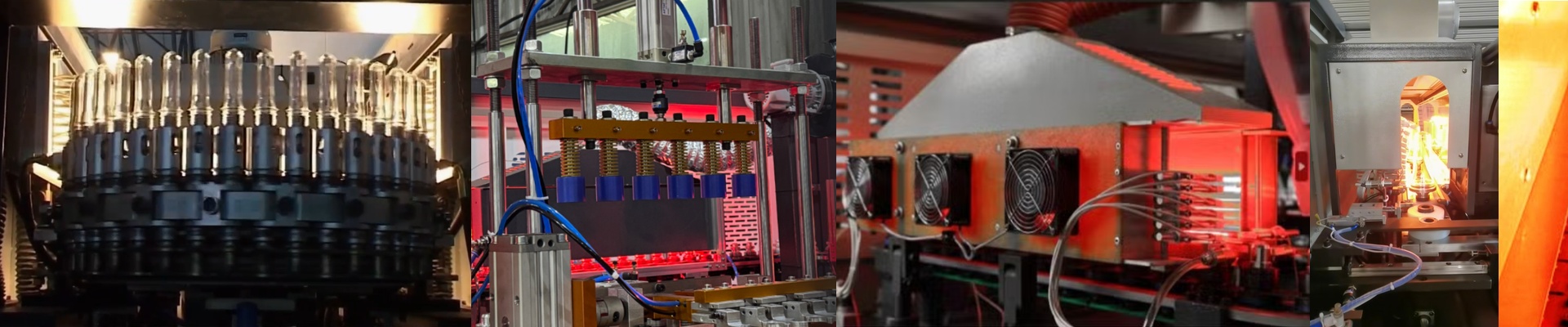
We use halogen-filled quartz tubes. Why? Because they let the filament run hotter and brighter without burning out. That means more of the heat is radiant—the kind that hits you instantly. And the quartz itself is tough. It handles being switched on and off quickly, over and over, without cracking under the pressure. Then there’s the reflector coating. We’ve applied a special multi-layer finish that pushes all that infrared energy forward, so none of it goes to waste. Even the connectors—the R7s type—are built to handle serious heat. They carry the current safely and install without needing a bunch of tools. Wire it up once, and it’s ready to take a beating, cycle after cycle.
Real-World Use, Real-World Payoff
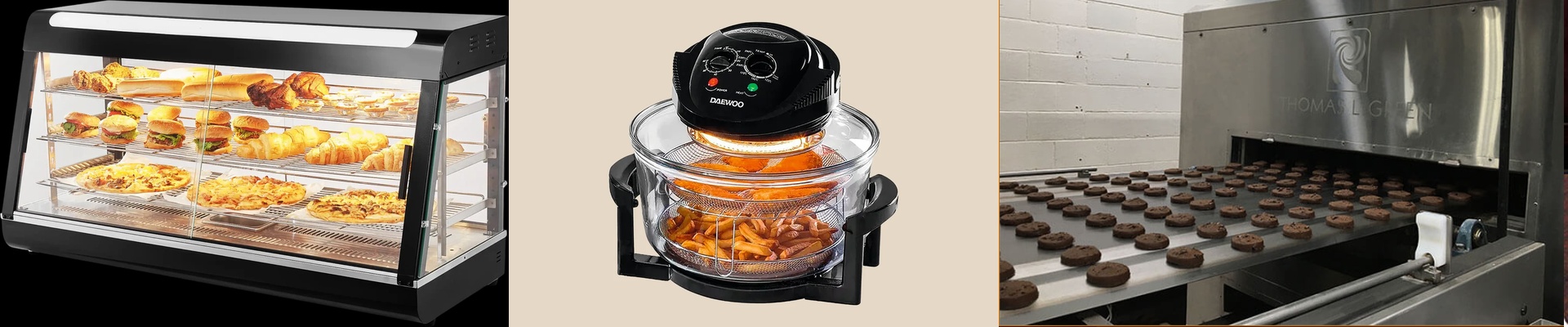
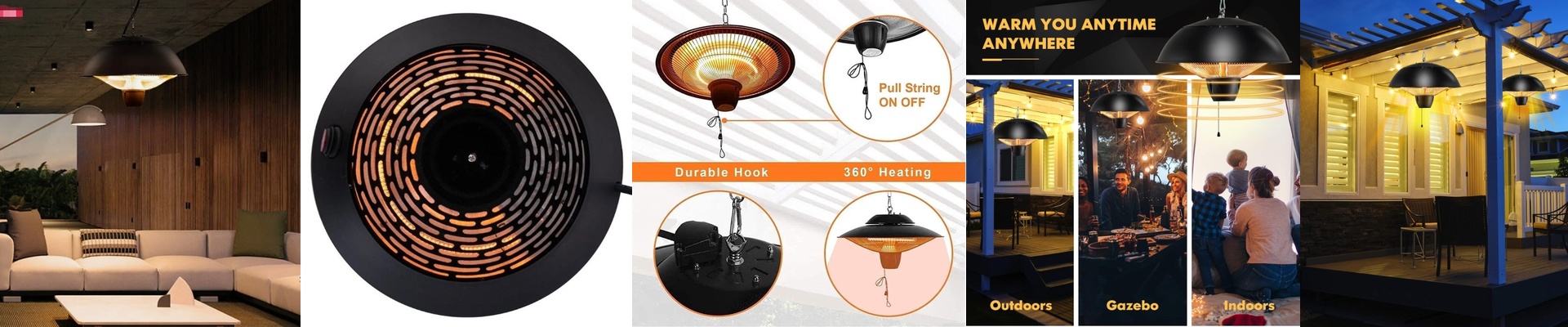
For engineers and facility managers, this kind of heating means two big wins: faster warm-ups and lower operating costs. You’re not paying to heat the whole volume of air, just the specific area that needs it. Perfect for spot heating in workshops, warehouses, or drafty commercial spaces. But there is a trade-off. With that kind of focused heat, you need to plan ahead. Make sure the surrounding equipment and ventilation can handle the rise in ambient temperature. When you size it right, you get a heating solution that just keeps going. Tough. Low-maintenance. And reliable, season after season.