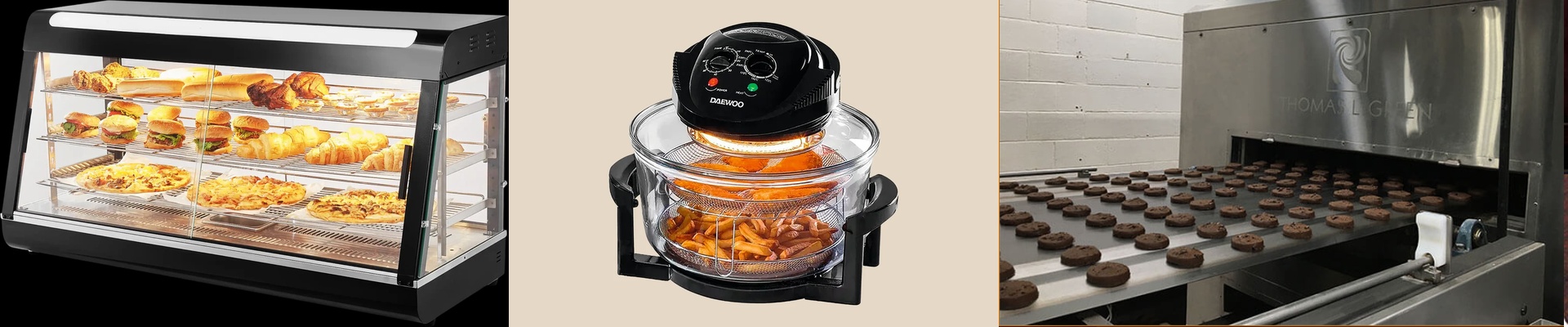
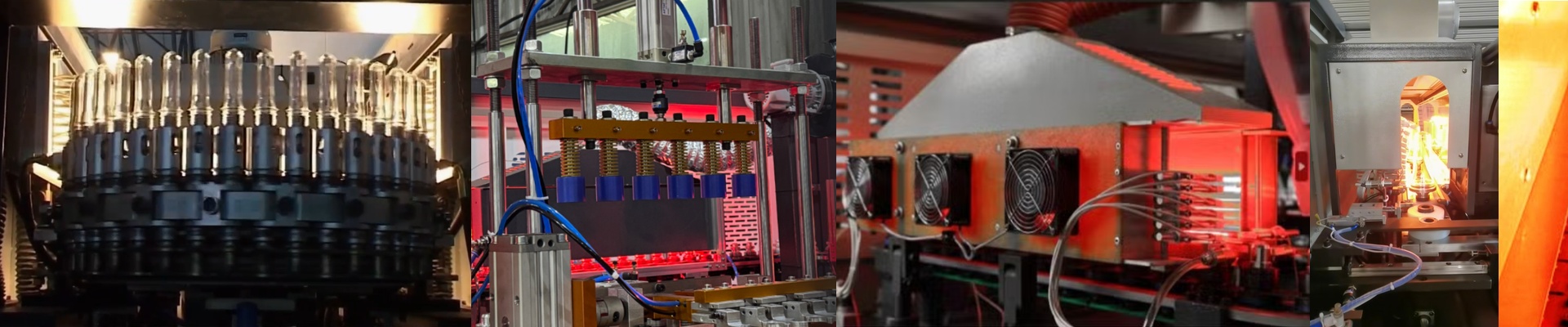

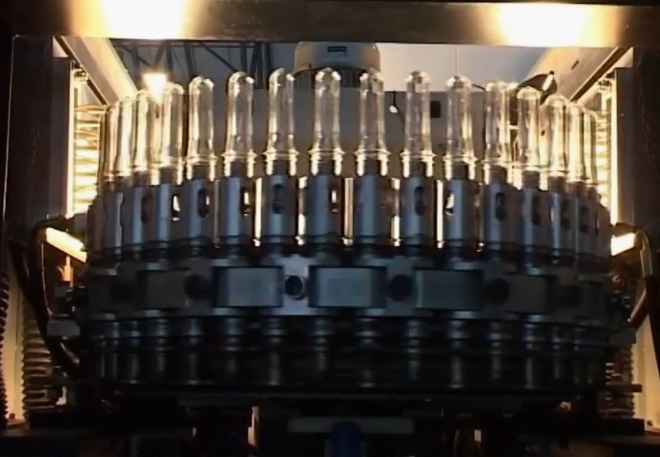
On the blow molding line, heating drift and uneven preform temps are the quiet thieves of output. They sneak up on you, scrapping what should be clean PET runs. When that original SIPA lamp ages, you feel it everywhere—cycle time stretches, bottle consistency goes sideways, and energy cost climbs. We built the SIPA infrared lamp 2500W SK15 to step in for the OEM emitter without compromises, so the heating tunnel keeps doing its job: steady, repeatable, and fast. What matters under the hood The SK15 is a 2500W short-wave infrared lamp, built specifically for the SIPA stretch blow molding platform. It uses a quartz tube with a high-temperature tungsten filament, giving you fast response and tight spectral control right where PET preform surfaces absorb heat the most. It runs on standard voltage configurations, and the R7s connector and end-cap geometry match the original, so it drops straight into the same sockets and mounts. Output is matched to the OEM heating zone design, so you keep the same heat density and dwell profile you count on. We spec it to hold stable irradiance over long shifts, with measured output drift kept low even after thousands of hours. Here is why it plays well on the floor. You pull the lamp, swap it in, and the heating curve comes back where it should be—no need to retune the whole tunnel. Fast start-up and consistent temperature cut warm-up wait time and keep the machine cycling at target. The payoff shows up as fewer thickness swings, better weight control, and less scrap from weak necks or overheated walls. Energy use stays close to baseline because the lamp’s output matches the zone’s thermal demand, avoiding the over-draw that comes from an underperforming emitter. For maintenance, that means fewer emergency changeovers and a spares strategy you can plan around. A few practical notes. Installation is straightforward, but treat it like any high-temperature component. Double-check voltage matches your line, clean the socket contacts, and verify reflector alignment—misalignment will create hot spots and uneven heating. Always handle the quartz tube by the base only; oils and scratches on the tube surface shorten life and throw off output. Keep the heating tunnel airflow and cooling as designed. Infrared lamps run hot, and if airflow changes, the temperature profile shifts even when the lamp itself is correct. If you run 24/7, keep the same inspection interval you used for the OEM lamp, and keep a spare on the shelf to dodge unplanned downtime.