When the lunch rush hits, you need heat on demand—no waiting around. A deck oven that drags on ramp-up kills service, and uneven temperature across the stone hearth turns crust from crisp to spotty. We built our halogen thermal elements to cut that lag and keep the baking chamber stable, even when the pace is relentless.
What matters, technically
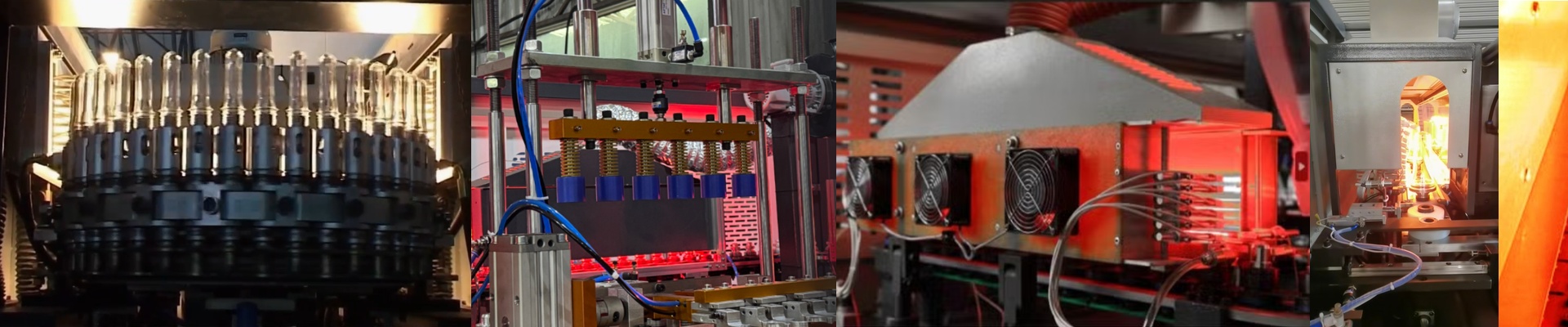
Halogen thermal elements pair a quartz envelope with a compact filament, delivering short-wave infrared that penetrates fast without scorching the surface. In real life, that translates to quick recovery after door cycles and tighter temperature control across the deck. Power densities run 2–3 kW per element, sized to fit standard toaster ovens and compact deck ovens, with voltage options to match your line. The quartz tube runs hot and dry, so it responds the moment the thermostat calls for heat. The radiant output stays focused on the product, not the oven walls.
Why this makes sense on the line
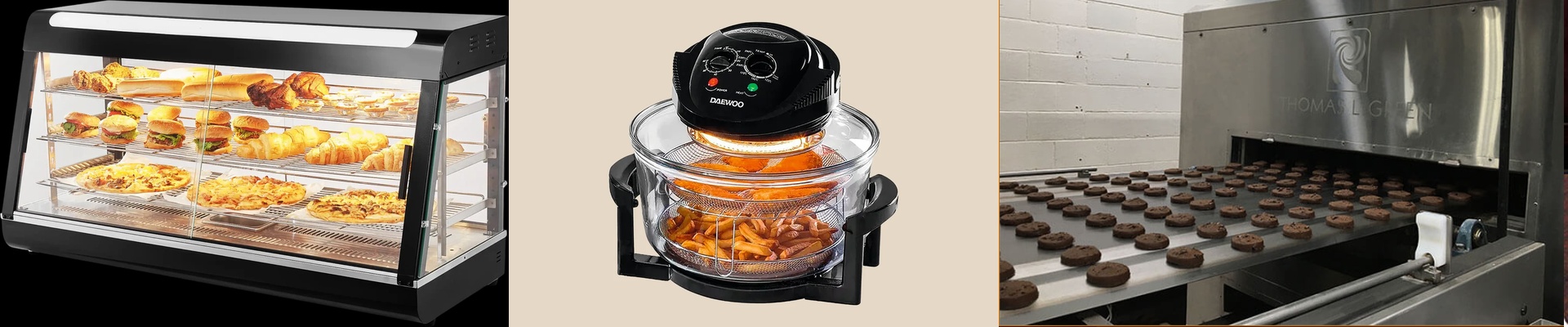
In high-volume bakery and sandwich prep, you need repeatable heat for bread, pizza, and toasted items without slowing the line. Halogen elements bring the baking chamber up fast, so crust and caramelization stay consistent from the first order to the last. That speed means shorter bake windows and fewer under- or over-baked items, which keeps waste down and ticket times tight. Because the element heats directly and efficiently, energy use per bake cycle drops compared with slower, heavier systems—especially when the ovens run all day.
The things you need to watch
Halogen elements run hot, so clearance to combustibles and proper mounting matter. They perform best when the oven interior is clean and reflective. Moisture and grease infiltration at the terminals will cause trouble, so keep those points protected. Verify voltage compatibility and connector type before installation, and plan for routine inspections in a busy kitchen. Set it up right, and you get dependable, rapid heat that keeps pace with service.