In a senior foot spa, comfort isn’t a perk—it’s the baseline. When the room is quiet and the lighting is soft, what matters is steady warmth that helps feet relax and keeps circulation moving. Without heat you can count on, the session loses its therapeutic punch, and the whole experience starts to feel unpredictable.
What’s actually happening under the hood
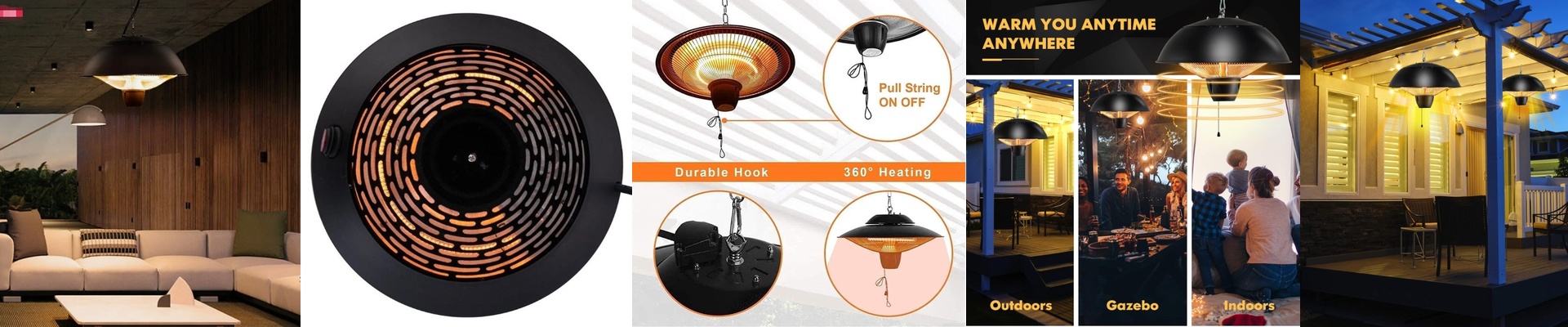
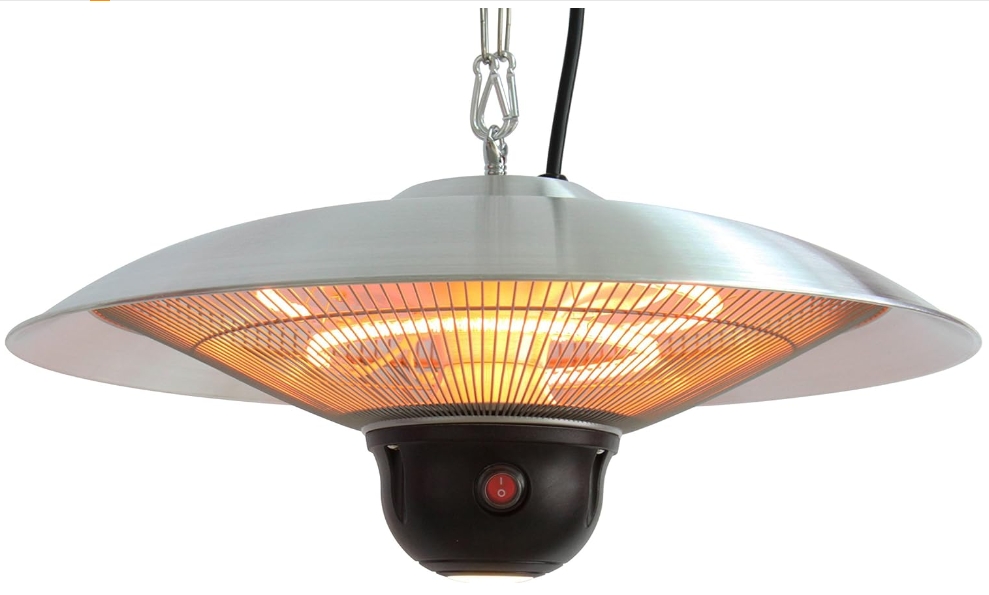
We built this CE-approved electric heater around short-wave infrared lamps, backed by a reflective panel that focuses the output where it’s needed. The radiant heat hits the skin quickly, warming tissue without turning the air into a sauna. In practice, you get a faster warm-up and a more even feel across the foot, with fewer hot-and-cold swings. It runs on standard power, pulls a moderate load, and uses a straightforward thermostat to hold temperature. The lamp housing is sealed and fully guarded—protecting the bulb and keeping the user safe.
Why this approach fits foot spa care
For foot spa sessions with older adults, localized, high-energy heat is about circulation and comfort. Infrared warmth helps encourage blood flow to the feet, which can ease stiffness, cut down on cold discomfort, and support relaxation. Because the heat is directional, the session feels focused rather than drafty, and the room stays pleasant. The heater comes up to temperature fast, so caregivers can keep sessions consistent, and the operation stays simple. For the spa, that means a calmer routine, fewer interruptions, and a more reassuring feel.
The practical details—what to watch for
Infrared heat does its best work when the unit is positioned at a comfortable distance and angled properly over the foot. The lamp throws intense bright light, so it shouldn’t be stared at directly. Installation needs a stable mount and proper clearance, and the heater should be plugged into a grounded outlet on a dedicated circuit. Keep the unit clean and dry, and follow the CE-compliant safety guidance for temperature settings and guard placement.Clearance and airflow matter more than people think.