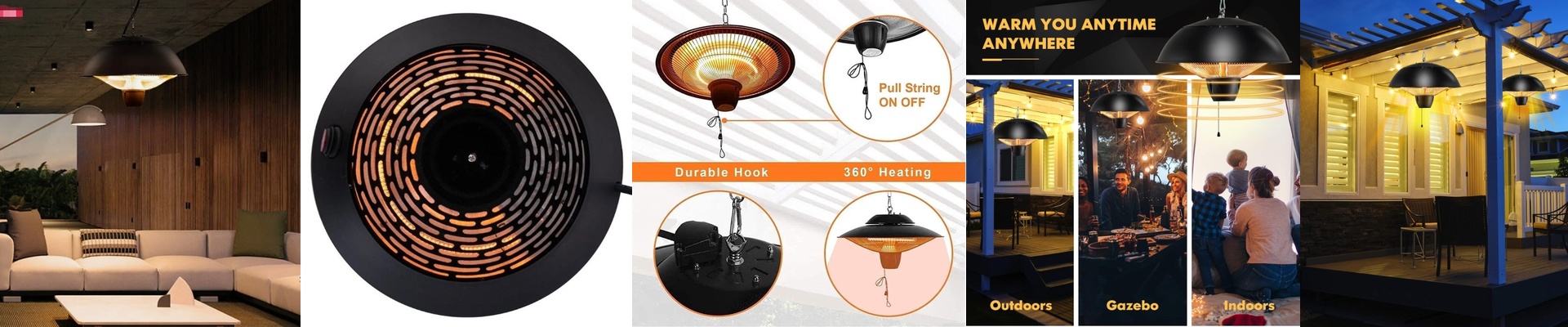

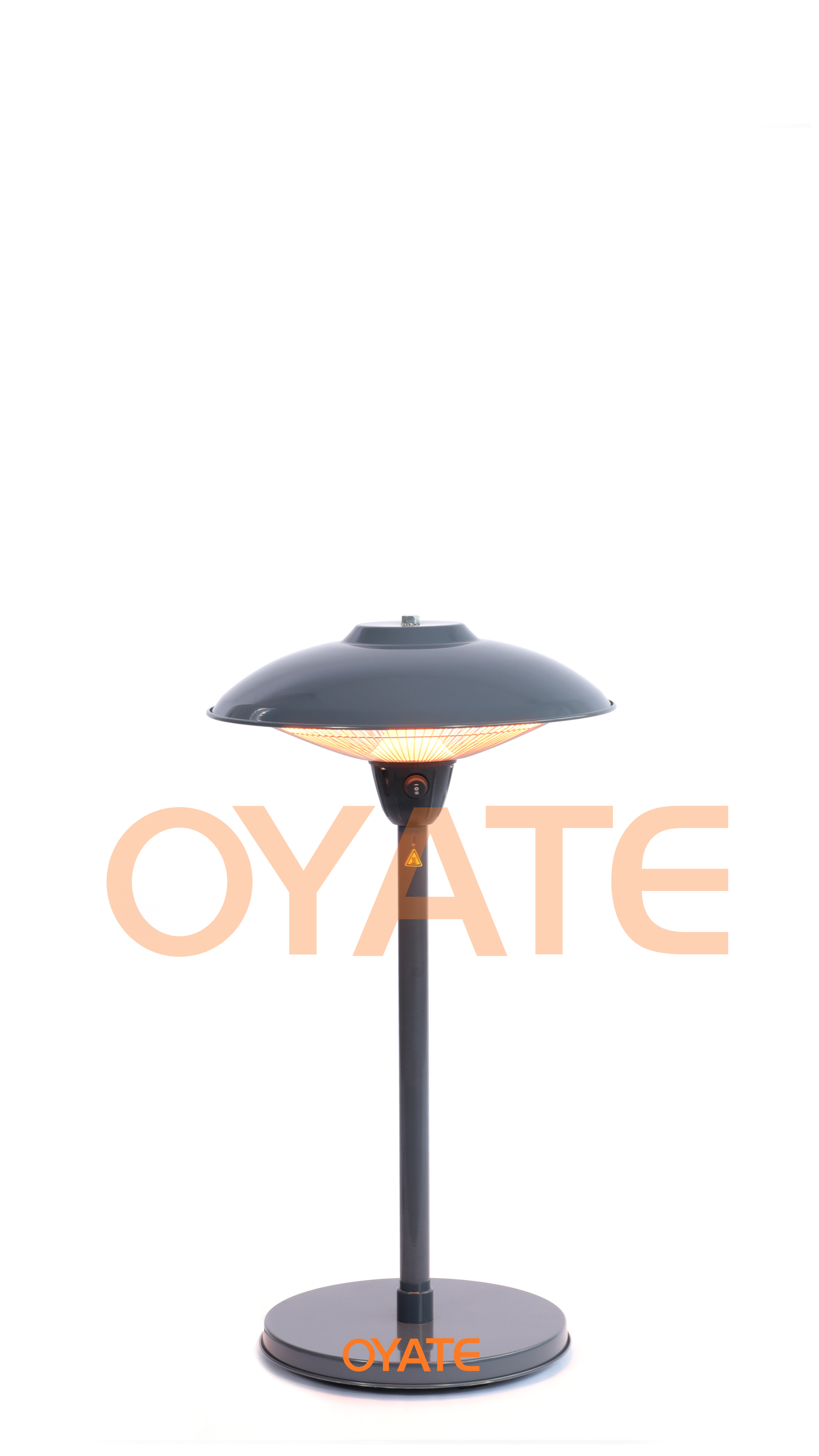
Winter shows up on its own schedule, and the electric meter follows right behind. When the air turns sharp, you need heat that hits fast and doesn’t cost a fortune to run—whether that’s a workshop, a covered patio, or a drafty corner inside. That’s exactly where an infrared electric heater earns its keep. What matters under the hood Infrared warmth is radiant heat. It travels outward and warms people and objects directly, instead of wasting energy trying to heat every cubic foot of air. In our units, a carbon fiber element comes up to temperature quickly and holds steady, so you get consistent infrared output with far less on/off cycling. The payoff is practical efficiency. Field use and lab testing commonly show up to 30% less electricity use compared with conventional convection heating in similar spaces. You feel the comfort sooner, and you spend less keeping it going. Why this approach fits real spaces This matters when you’re trying to work, relax, or have family outside without the chill creeping in. In a workshop, radiant heat keeps hands and tools warmer, so you can stay focused instead of fighting the cold. On the patio, you get cozy zones without the drama of an open flame. Indoors, you can warm the spots you actually use without overheating the whole room. That targeted approach means lower running costs, fewer temperature swings, and a quieter, more comfortable feel. What to keep in mind Infrared heaters do their best work in semi-enclosed or sheltered areas, where the warmed surfaces stay in the line of sight. For indoor use, pick a model with a thermostat and safety features like tip-over protection. And remember: radiant heat warms surfaces first, so the surrounding air can still feel cooler farther out. Put the heater where you sit, and aim it where you need the warmth most.