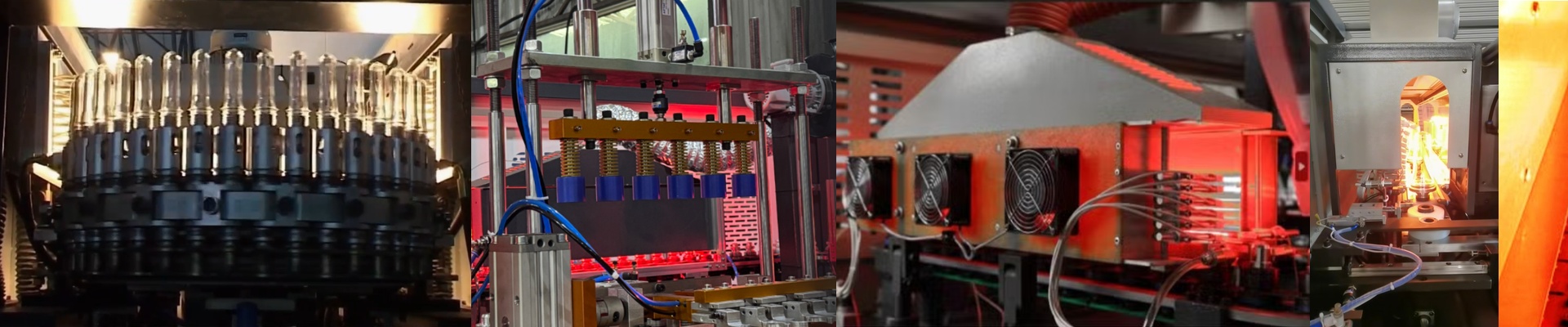

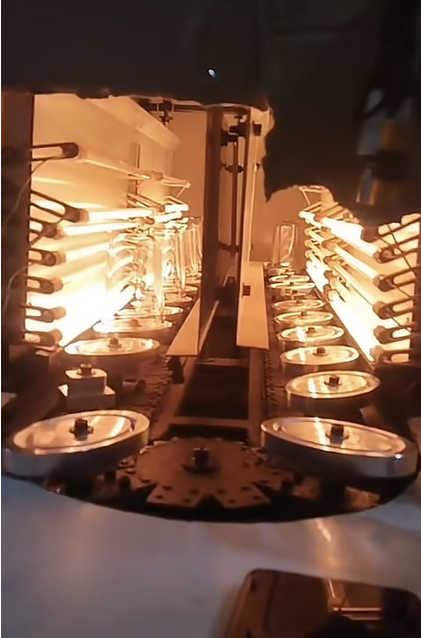
On a blow molding line, the heating tunnel is where the whole operation sets its tempo. If you’re running a Sidel Combi blower and the infrared lamps aren’t pulling their weight, you know it instantly—preforms come out cold, wall thickness starts to drift, and scrap counts jump. Usually the culprit is a mismatch: wattage density that’s off, an emitter that can’t hold the thermal profile, or a connector that’s drifted from OEM spec. What matters under the hood We build the Sidel Combi infrared lamp spare to follow the machine’s original heating logic. The quartz tube is rated for the right power density and voltage, and the R7s connector matches the blower’s socket geometry. The filament geometry is tuned so the lamp delivers repeatable infrared output across the preform neck and body. That lets you run the heating curve as it was designed—stable temperature rise, controlled soak, predictable heat penetration—without fighting hot spots or cold zones. Why this matters in stretch blow molding Preform heating isn’t just about hitting a temperature number; it’s about distribution. These lamps reproduce the intended thermal field in the heating tunnel, so the preform lands in the right elasticity window before it hits the mold. The payoff shows up as fewer pinholes, tighter weight control, and less pressure on cycle time. Energy use stays sensible, too, because the lamp power matches the load, not guesswork. The details that bite you Installation tolerances matter. Even a small gap at the R7s contact raises resistance, invites arcing, and can cut lamp life short. Before you swap in a new lamp, check holder alignment, clean the socket, and verify voltage at the terminal. And keep the reflector clean. Dirt on the reflector scatters heat and flattens the temperature curve—no matter how good the lamp is.