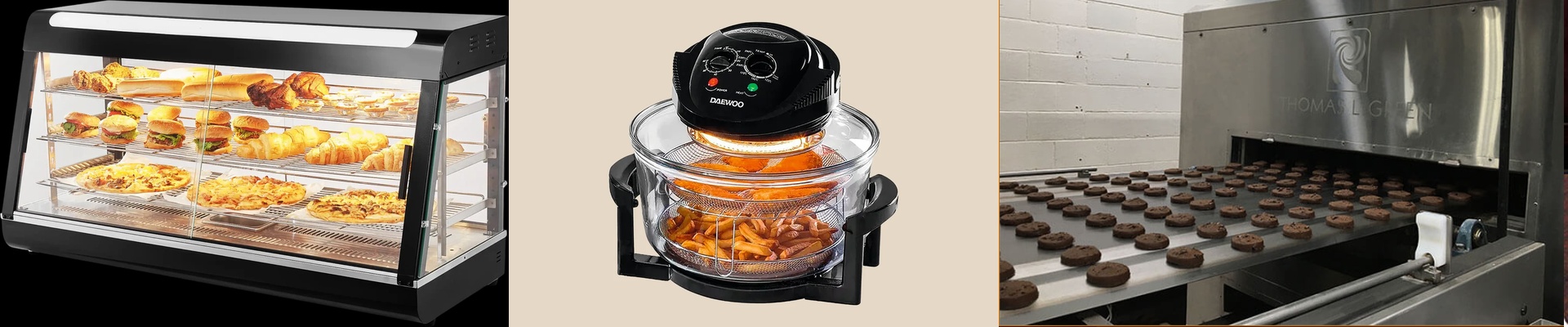
When the rush hits, your deck oven can’t afford to chase temperature. Stone hearths bleed heat fast, and weak elements drag out bake times—thinning the crust and killing caramelization. We built our stainless steel infrared tube to handle that pressure: recover fast, hold steady, and keep production moving. What matters under the hood The tube is a medium-wave infrared emitter wrapped in a full 304 stainless steel jacket, engineered for the heat profile bakeries actually need. It throws high radiant density, so it penetrates dough quickly and promotes strong oven spring before the surface sets. Response is immediate—full output in seconds, not minutes—so the baking chamber snaps back to setpoint after door cycles. In practice, that means tighter bake windows and better control over crust color. The element is rated for continuous duty, and the stainless housing stands up to scaling and the cleaning chemicals that chew up ordinary emitters. Why it plays in a busy bakery Consistency in a busy shop comes down to minutes and trays per hour. Installed in a deck oven or a rotary oven, these infrared tubes restore heat fast, so you can run more trays without scorching the edges. You get even browning across the pan, predictable results from proof to bake, and fewer scrapped batches when the line speeds up. Energy use drops because the oven spends less time idling high and more time holding steady. Here’s what to watch for Infrared output is directional, so tube positioning and reflector geometry matter. Plan for even spacing and confirm clearances to pans and the stone hearth. Match voltage and connector type to your oven’s terminal block, and expect to tune bake times when you switch from conventional elements. Treat the tube as a hot surface—controls and guarding have to keep staff safe during cleaning and service.