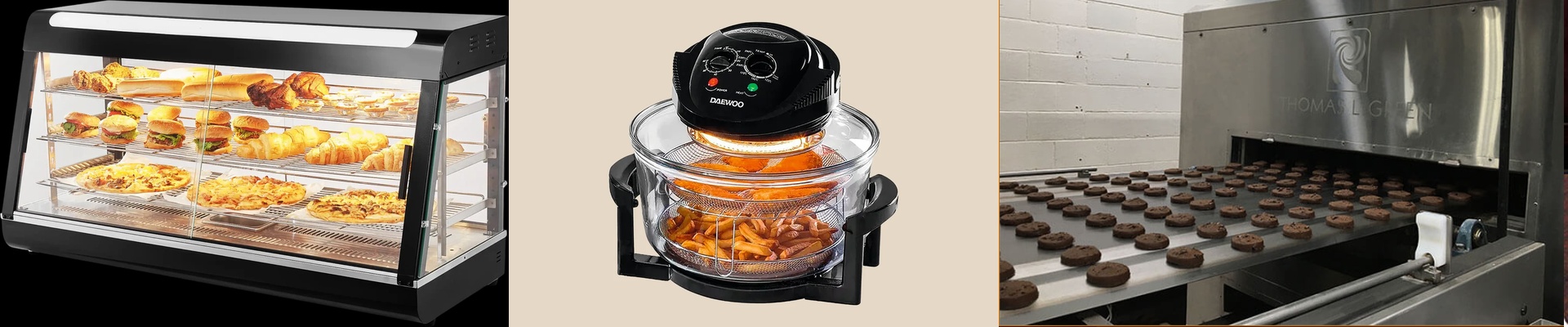


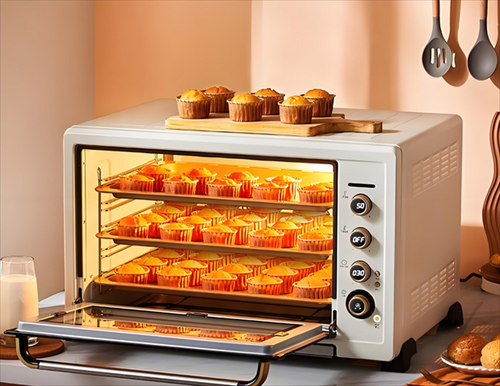
When the rush hits, your convection oven needs to come up to heat fast and hold steady. A weak or uneven element doesn’t just drag service — it sets you up for inconsistent bakes, cold spots, and a real headache on food safety. Whether you’re running pizza, bread, or holding hot food, the heating element is the first knob you reach for inside the baking chamber.
What matters under the hood
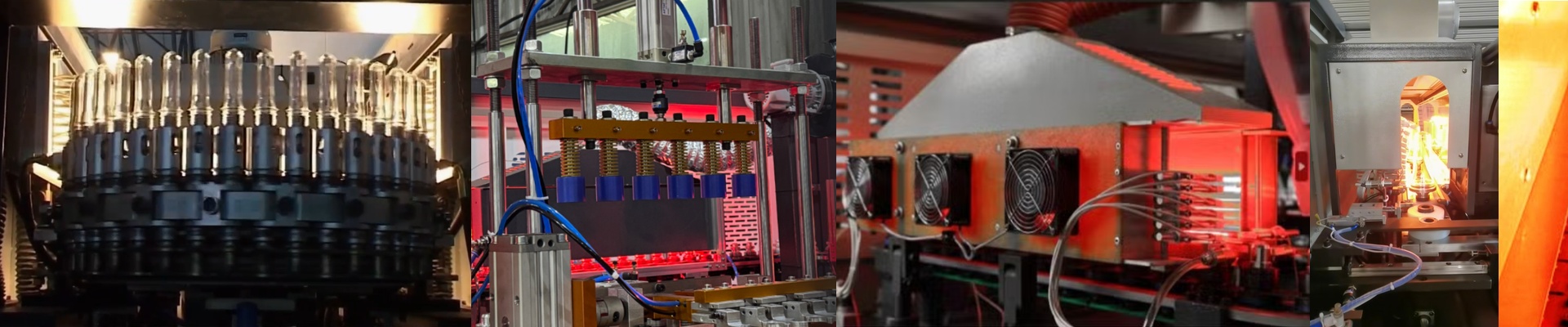
We build our convection oven elements for predictable output and repeatable temperature behavior. The resistance wire is chosen to hold stable resistance across the operating range, and the sheath material is picked to handle high-heat cycling and the day-to-day of cleaning. You get quick heat-up, faster recovery after the door opens, and more even air temperature across the cavity. The specs line up with common kitchen voltages and footprints, so swapping them out on standard convection ovens is straightforward.
Why this matters on the line
Here’s what it translates to when the tickets are piling up: faster preheat, fewer underbaked centers, and better control when you’re holding food. Pizza comes out with consistent crust and doneness. Bread shows even spring and controlled caramelization. And held foods stay in the safe zone without drying out. Fast recovery keeps bake windows tighter and output more consistent, which helps you hold ticket times and avoid the temperature drift that can put you on the wrong side of food safety.
The things to get right
Match the element to your oven’s rated wattage, voltage, and mounting dimensions, and double-check the thermostat and airflow setup. Elements do their best work when air circulation is clean and the oven cavity isn’t caked with heavy grease. In high-volume kitchens, plan on inspecting and replacing elements on a schedule. Proactive maintenance keeps temperature control honest — and that protects both food safety and the flow of your service.