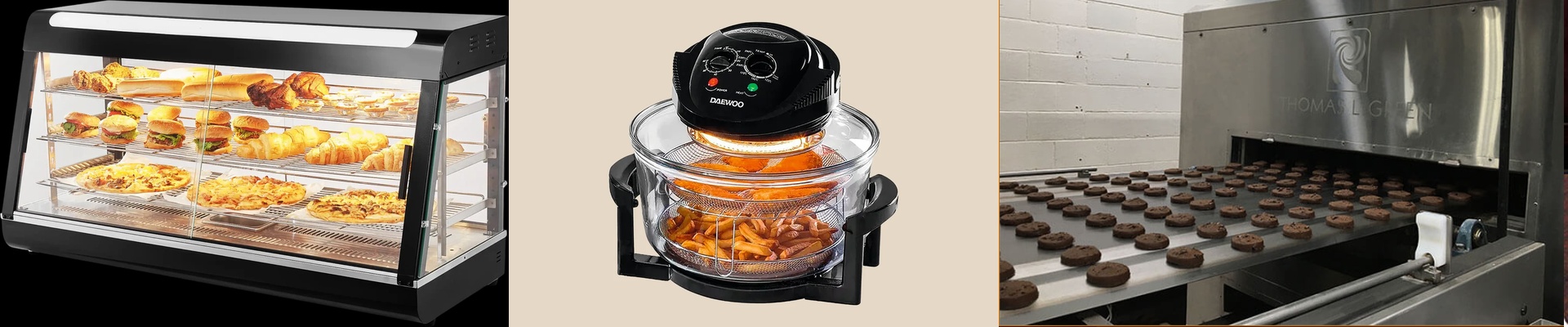

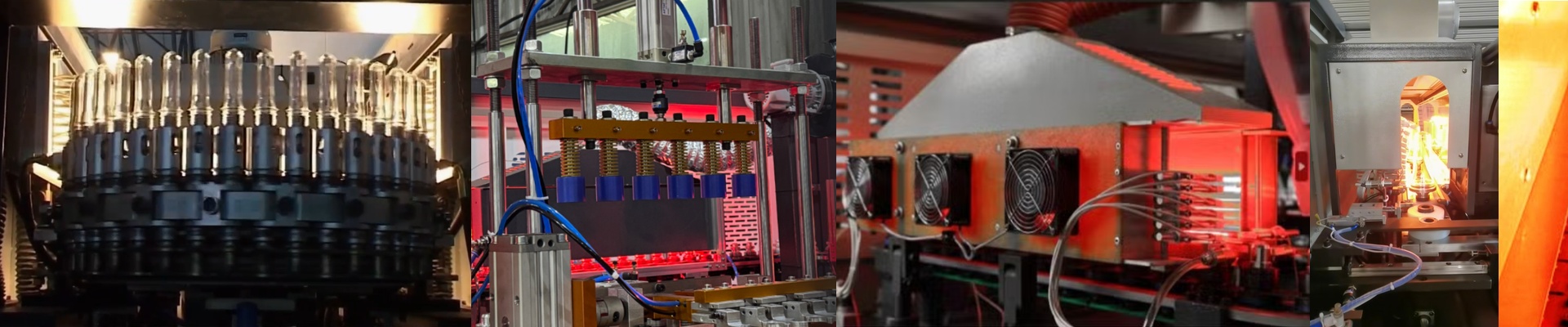
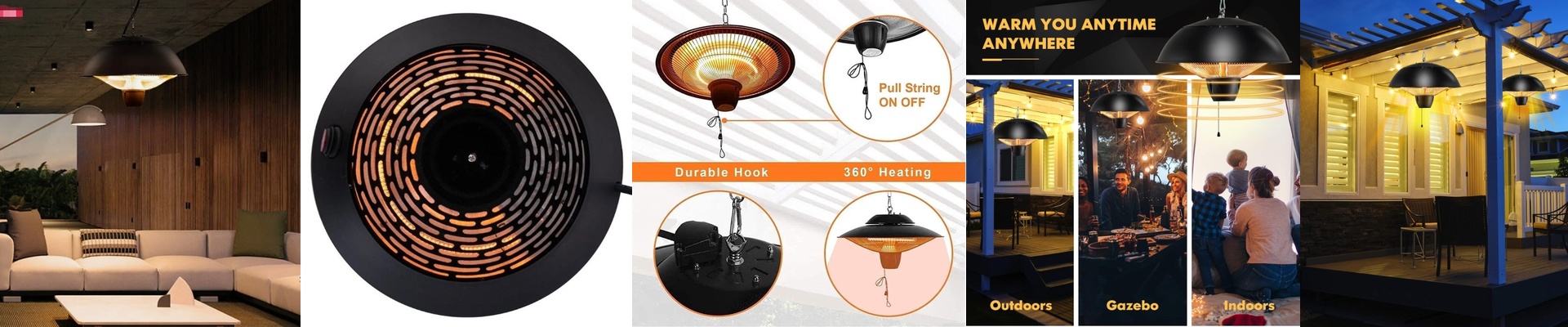
When tickets are flying and the line won’t quit, your oven has to snap back to temperature—every single time. A sluggish warm-up, uneven heat, or an element that sags mid-service wrecks your rhythm, stretches wait times, and eats into margin. We built our toaster heating tubes to hit hard and recover fast in commercial ovens, so output stays consistent, shift after shift. What actually matters under the hood These tubes are centered on a high-efficiency quartz heating element that brings the baking chamber back up quickly, with rapid response and no hot spots. Rated for standard commercial voltages, they deliver predictable power density—so the thermostat reads actual temperature, not a lagged guess. The compact profile drops right into tight element pockets in deck ovens, rotary ovens, and convection units. And the terminals and ceramic insulators are spec’d for high-cycle duty: repeated heat-up, hold, and cool-down without giving up. In practice, that means faster recovery after the door pops open and steadier control through long bakes. Here’s why it holds up in a busy service: speed has to come with repeatability. These heating tubes cut preheat time, tighten the gap between batches, and keep the heat profile stable when the rush hits. The payoff is consistent crust, cleaner caramelization, and fewer under- or over-baked items. You also use less energy because the element heats on demand and holds setpoint efficiently, and the long service life helps you avoid unplanned downtime. For bakeries, pizzerias, and multi-concept kitchens, it’s equipment you can set and forget—until the next rush. A few shop-floor essentials Matching voltage and wattage to your oven model isn’t optional. Get that wrong and you’ll see slow recovery or a premature failure. Expect a bit more inrush current on a cold start, so make sure the wiring and terminal connections are tight and rated for the load. Installation is straightforward, but do yourself a favor: verify mounting dimensions and clearances before ordering. That’s especially true on compact deck ovens where space around the element is tight.