

Making High-Ceiling Infrared Heaters Actually Smart
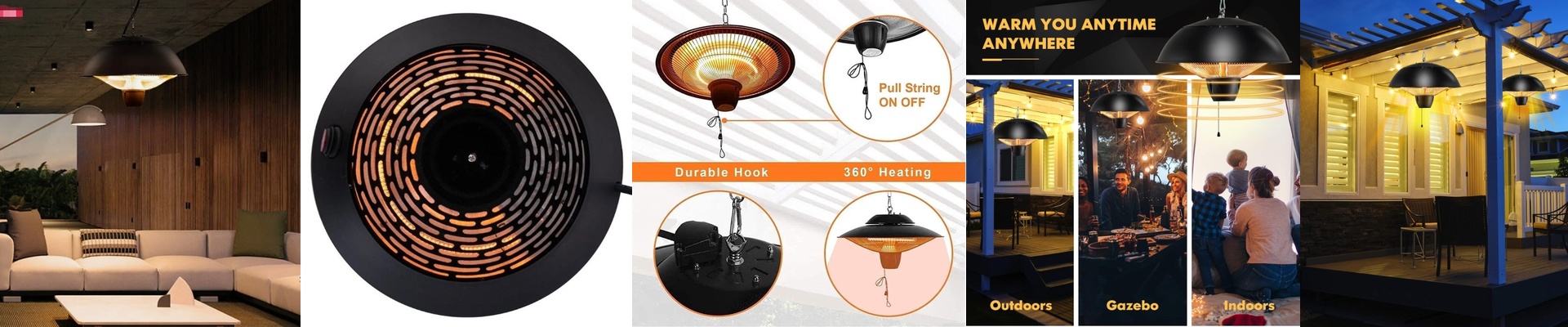
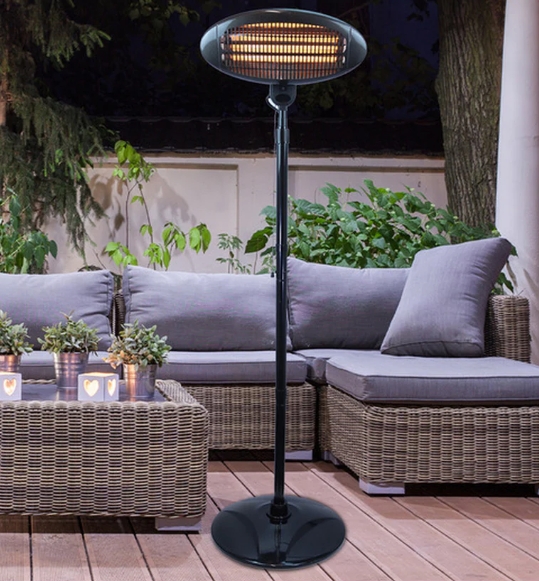
If you’ve ever spent time in a huge warehouse or one of those fancy open-concept lofts, you know the struggle. You turn on the heat, but because the ceilings are so high, the warmth just… disappears. That’s where infrared heaters come in. Unlike your standard heater that tries to warm up all the air in the room, these guys beam heat directly onto you and the furniture. It feels more like standing in the sun. But when those heaters are mounted way up high, managing them with a basic wall switch feels clunky. There’s a lag. It doesn’t feel intuitive. The trick is getting them onto your smart home network. Basically, we put a smart gateway—usually a WiFi or Zigbee relay—right into the heater’s power line. Now, instead of walking across a cold room to flip a switch, you just tap a button on your phone. The relay snaps shut, the power flows, and you’re warm. The best part? Infrared lamps hit their peak temperature in seconds. You don’t have to wait an hour for the whole room to warm up. You just click a button and—boom—instant warmth. What you actually need to make this work You can’t just throw any random smart plug at this. You need a few specific things: ***Heavy-duty relays.**These heaters pull a lot of power. If you use a cheap relay, it might literally weld itself shut under the load. Don’t skimp here. ***Sensors in the right spot.**This is where most people mess up. They put the temperature sensor up high. But heat rises, so the sensor thinks the room is boiling while your toes are freezing. Put the sensor about a meter off the floor—where you actually live and breathe. ***A bridge.**Something like Home Assistant or Apple HomeKit to tie it all together so your heater actually talks to your other devices. A few things to watch out for It sounds perfect, but there are a couple of catches. First, you’re relying on your internet. If your router decides to take a nap, you’re stuck in the cold. That’s why I always tell people:**keep a physical override switch.**Just in case. Also, be careful with your electrical panel. If you have a big array of these heaters and you trigger them all with one “all-on” command, you’re hitting your system with a massive surge of power. If your wiring isn’t spec’d for that, you’ll be tripping your breakers more often than you’d like.