
Getting the Crust Right: A Look at Infrared Heating in Baking
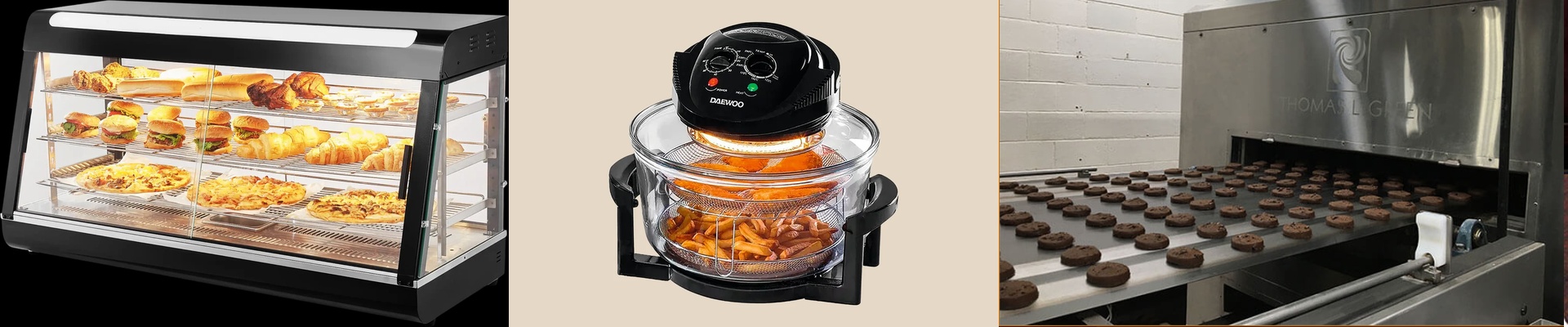
Ever wonder why some bread has that perfect, shattering crust but stays soft and airy on the inside? It’s not just about cranking up the heat. It’s about how that heat actually reaches the dough. Most ovens just blow hot air around, but we do things a bit differently. We use quartz and ceramic infrared (IR) heaters. Instead of waiting for the air to warm up, these heaters beam energy directly into the food. It’s a much more direct way of cooking.
How it actually penetrates the dough
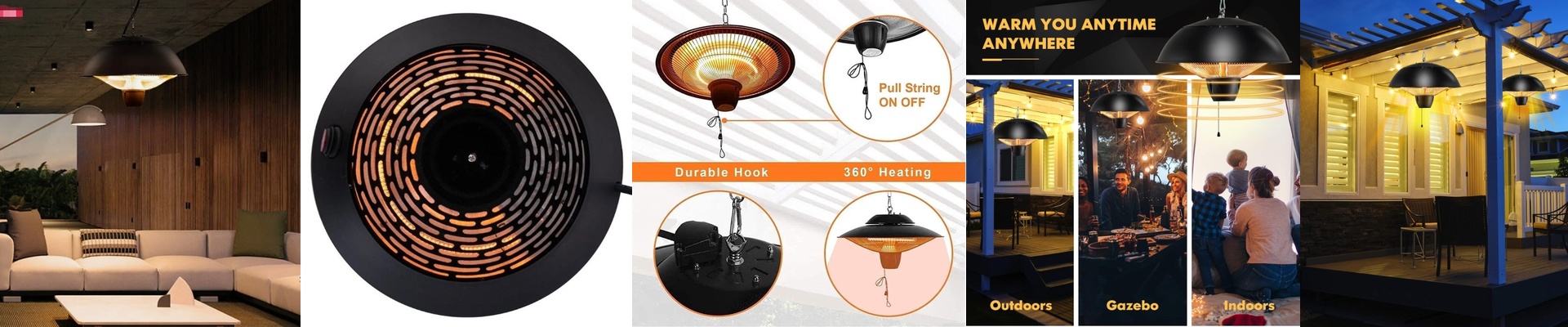
We play around with different wavelengths to get the job done. Quartz tubes give off short-wave IR. Think of this as a quick, intense hit to the surface—perfect for getting that fast sear. Then you have ceramic elements, which put out medium-wave radiation. This stuff travels deeper. It makes sure the middle of your loaf is actually cooked through before the outside turns into a charcoal briquette. It’s all about balance.
The gear: Quartz vs. Ceramic
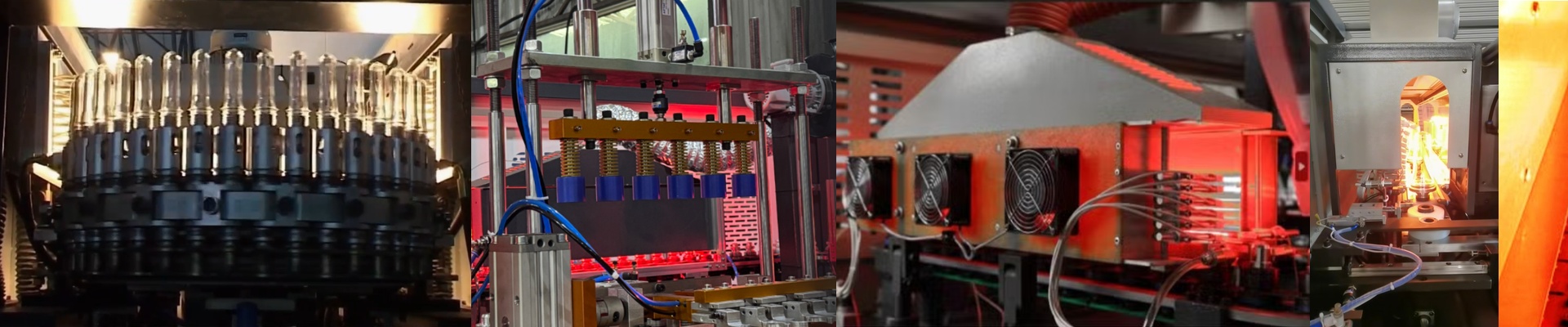
Quartz is the speed demon. It hits high temperatures almost instantly. We use high-purity silica because, let’s be honest, regular glass would just warp or snap under that kind of stress. Ceramic is a different beast. It takes its time to warm up, but once it’s hot, it stays hot. It gives you a steadier, more diffused heat that doesn’t dip when you slide a heavy tray of cold dough into the oven. But here’s a word of caution: watch your wattage. If you cram too many watts into a tiny space, you’re asking for trouble. You’ll either fry your filaments or overheat the whole oven chassis. Make sure your cooling fans can actually keep up with the heat rise, or you’re going to have a bad time.
Swapping them out and keeping them running
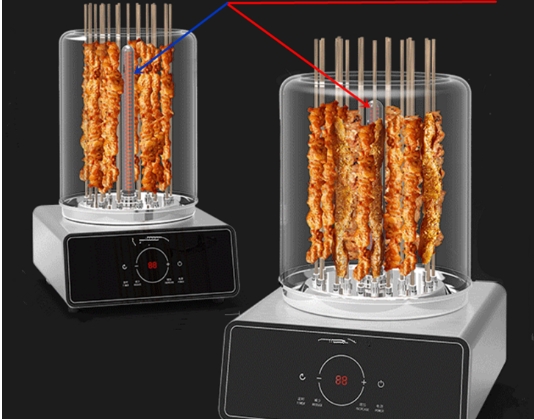
The good news is that these are usually just drop-in replacements. We use standard connectors, so swapping them out is pretty painless. Just be careful with the quartz. It’s fragile. One clumsy move during a deep clean and crack—there goes your tube. Ceramic is much tougher and can take a beating, though it is heavier. It really comes down to what you need. Do you want a heater that reacts instantly, or do you want something with some heavy-duty thermal mass? Just one last thing: double-check your voltage before you flip the switch. Nobody likes a blown circuit.