
Getting the Heat Right in Rotary Halogen Ovens
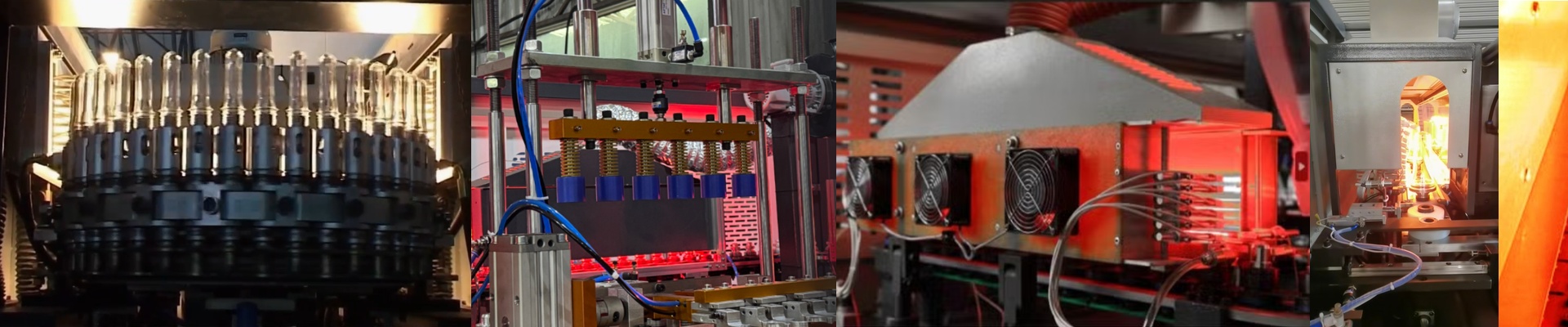
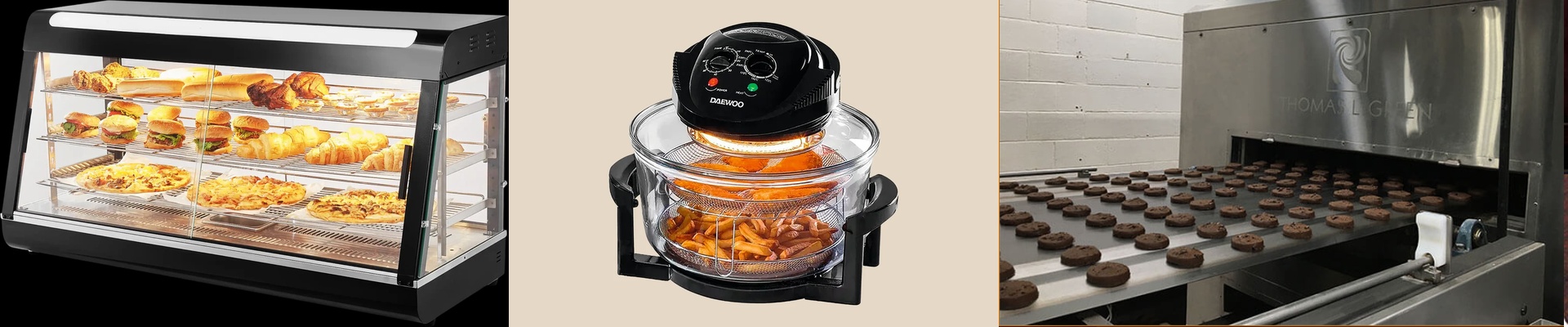
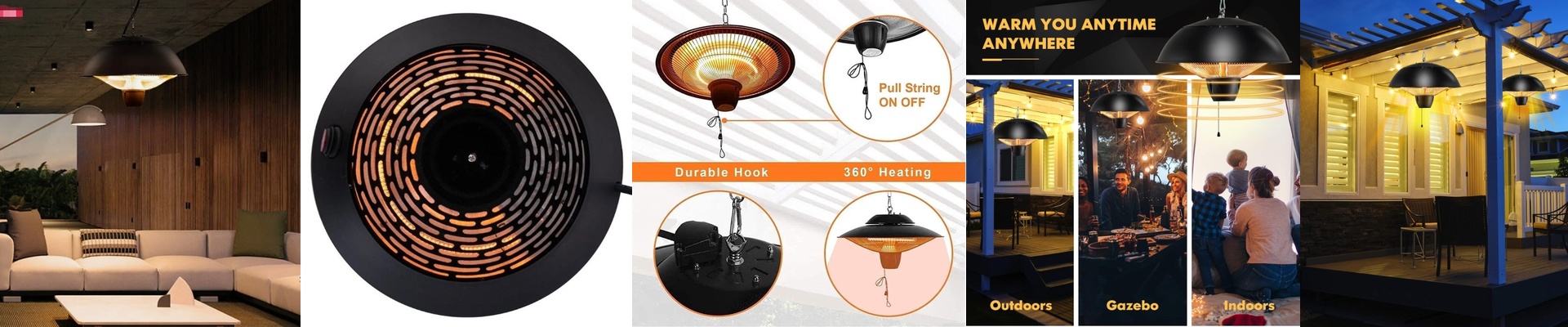
If you’ve ever messed up a batch—burnt on the outside, raw in the middle—you know how frustrating it is. Most of the time, that happens because the oven just can’t hold its temperature. When you’re using rotary ovens with halogen infrared heaters, you’re not heating the air. You’re sending short-wave radiation straight into the product. It’s direct. It’s fast. But if you don’t have a handle on the precision, it’s easy to ruin your work. The struggle with stability Here’s the thing about standard thermostats: they swing. You might see the temperature jump up and down by 5 or 10 degrees. In a rotary system, those swings create hot spots. That’s why we lean on high-precision PID controllers. Since halogen lamps react almost instantly, the power cuts the second the sensor hits the mark. There’s no “heat soak” or lingering warmth that accidentally chars your crust while the center is still cold. It just works. The nuts and bolts of the lamps Inside those lamps, we’ve got tungsten filaments wrapped in quartz glass and filled with halogen gas. This keeps the filament from evaporating too quickly, which means the lamps actually last. We usually stick with R7s or SK15 connectors. Why? Because when a lamp pops in the middle of a shift, you don’t want to spend an hour rewiring a whole rack. You just want to pop a new one in and get back to work. A couple of things to watch out for But wait—the best controller in the world won’t save you if your power is flaky. If your shop floor has voltage drops, your heat output will dip too. It’s a simple chain reaction. Make sure your wiring is beefy enough to handle all those tubes firing at once, or you’ll be fighting an uphill battle. The upside is that these high-density heaters let you use a much smaller oven. You get up to temperature way faster. Just keep an eye on your rotation speed. If the product isn’t moving fast enough relative to the lamp’s intensity, you’re going to get scorch marks.