
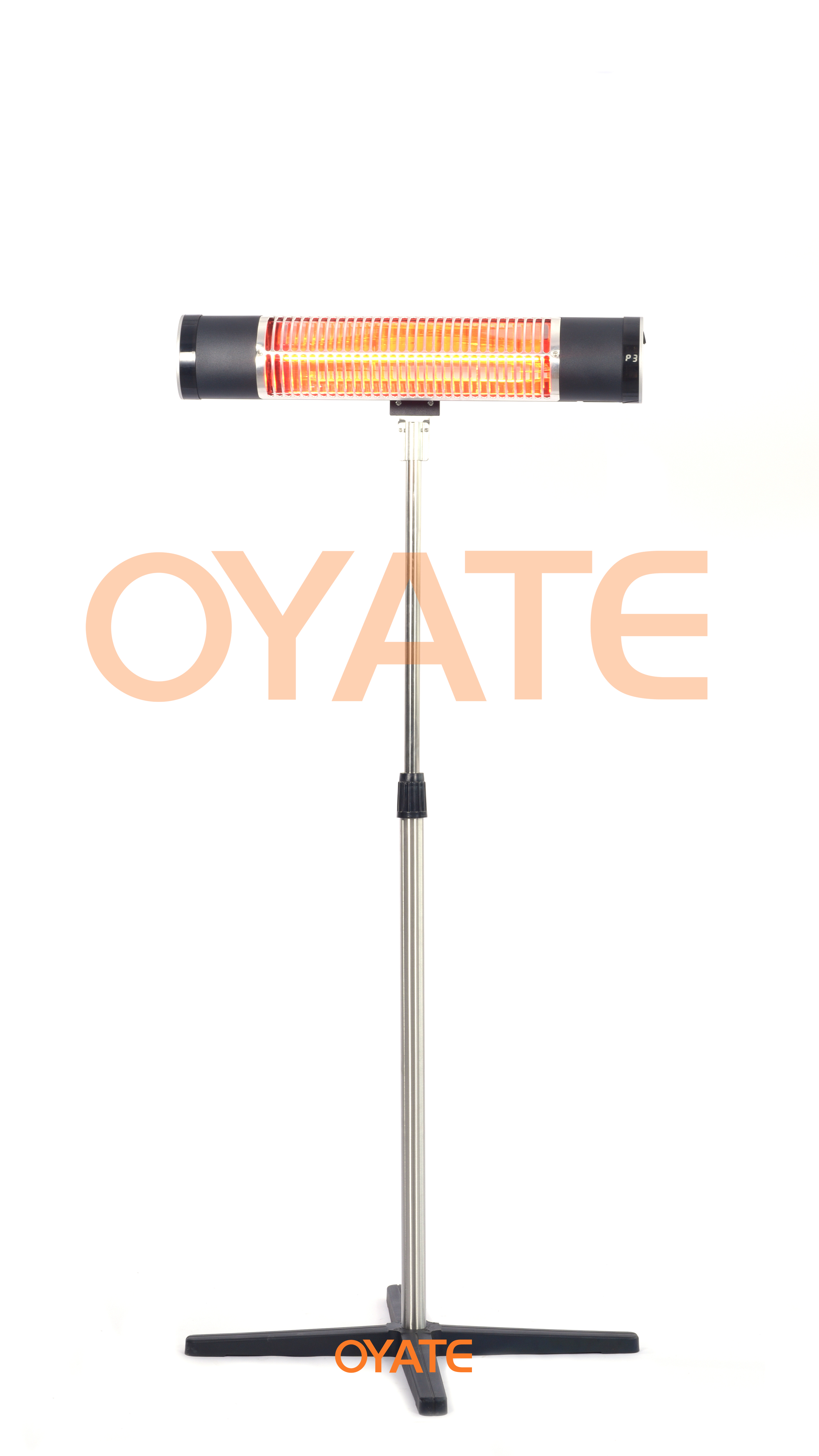
Home comfort shouldn’t feel like it’s costing you a fortune. The problem with a lot of smart home setups is they try to chase steady warmth by making a slow heater cycle on and off way too much. That’s when energy use climbs fast. What’s missing is low heat inertia—heat that comes on instantly, trims precisely, and stops without hanging around. A Salamander electric infrared heater brings that responsiveness to living spaces, so smart control actually starts saving power.
What matters under the hood
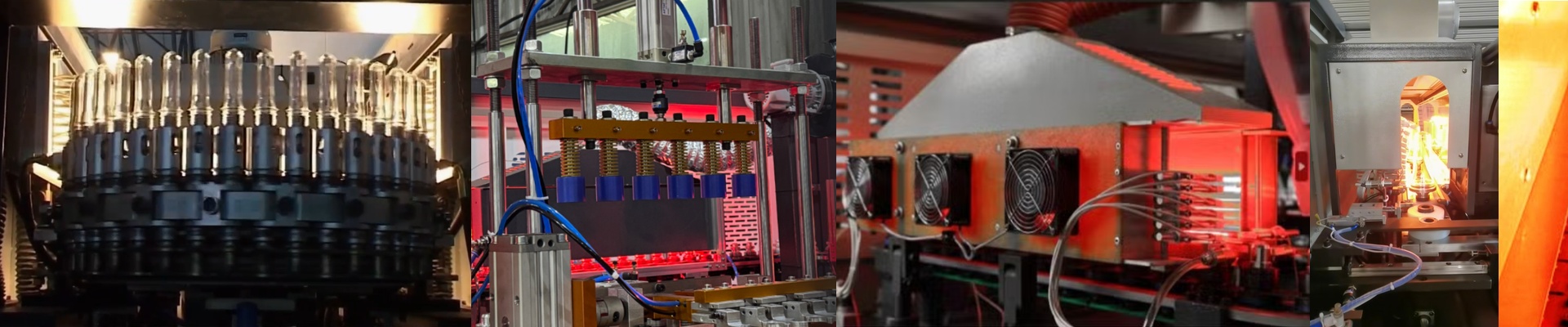
Salamander electric heaters run on a short-wave infrared element that hits full output in seconds, so there’s no long warm-up lag. The carbon-fiber element has low thermal mass, which means it heats quickly and cools quickly. That low heat inertia gives you tight control: the thermostat calls for heat, the room feels it, and the heater shuts off without overshoot. In practice, that translates to fewer on-off cycles for the system and more stable comfort. Add in standard 120V plug-in convenience, built-in tip-over protection, and a sealed design that can handle indoor air, and you’ve got dependable warmth without complicated wiring.
Why it plays nice with smart homes
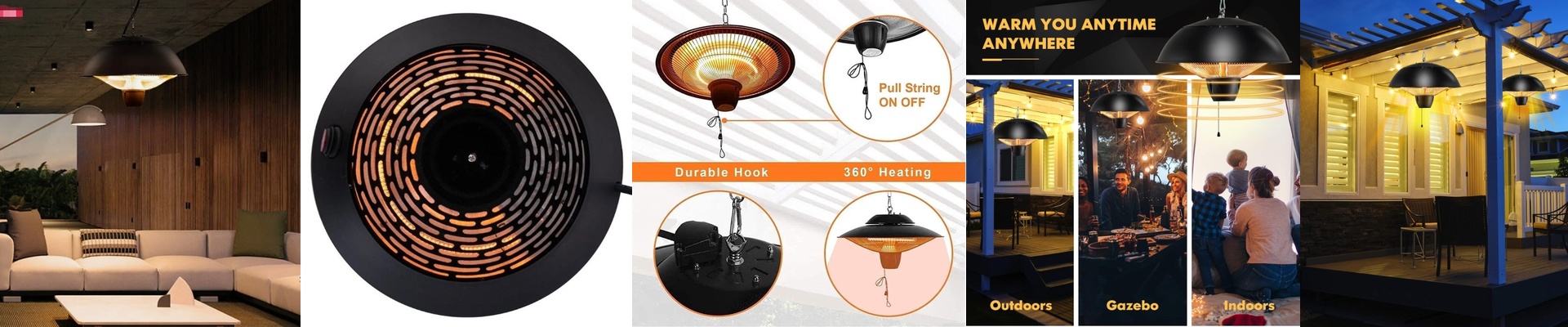
A smart home energy plan is only as good as the hardware it’s controlling. Traditional convection heaters store heat in heavy metal and core materials, so the room keeps climbing even after the control says “stop.” That forces the system to overshoot, and you end up wasting kWh. Salamander infrared heaters deliver radiant warmth straight to floors, furnishings, and people. That lets the system run in short, accurate bursts. The result is smarter cycling, lower energy draw, and a room that feels steady instead of swinging between hot and cold. For households, that means comfort that’s easier to manage—and easier to pay for.
The practical bits
Infrared warmth does its best work when the heater has a clear line of sight to the people and surfaces you want to warm, and it performs best in well-insulated rooms. For whole-home coverage, you may still need supplemental heating in drafty areas. Placement matters. Keep the unit unobstructed and on a stable surface, and make sure your smart thermostat or control system can keep up with the heater’s response time. If you want the most efficient smart-home heating,start with low heat inertia right where you spend the most time.