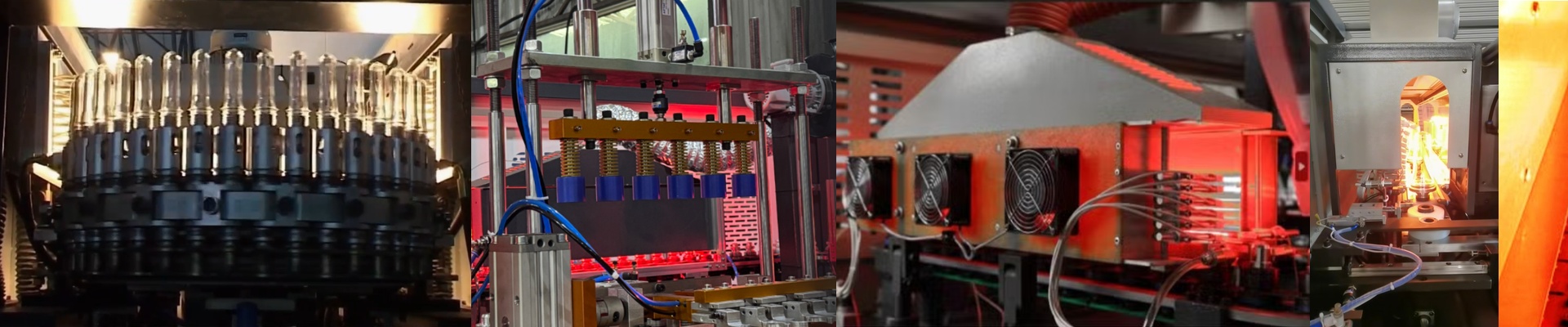
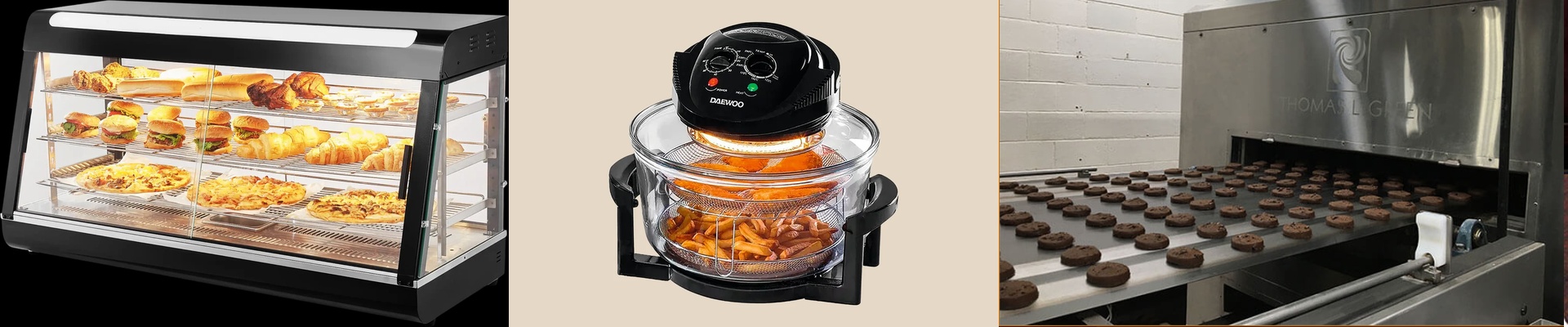

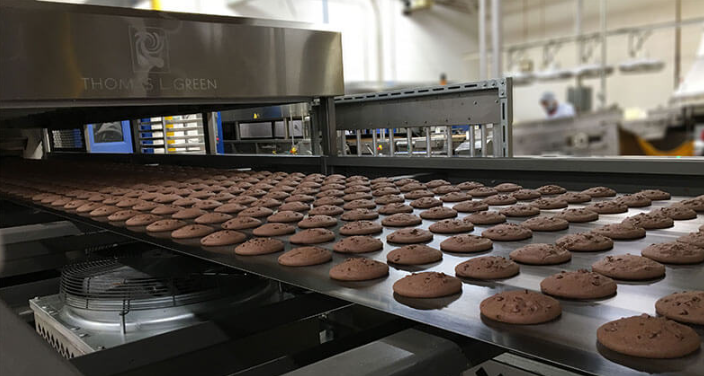
When the rush hits, the oven has to throw heat—consistently and immediately. Weak elements drag bake times out, bread dries out, and pizza crusts come out washed out. That’s why we put our toaster clear quartz IR emitter together: to give you infrared energy you can control, exactly where and when you need it. What’s actually going on under the hood At the center is a high-purity clear quartz tube with a short-wave infrared filament inside. Clear quartz passes IR with very little absorption loss, so the energy goes straight into the product, not into heating the tube. That translates to a fast ramp-up—full power in seconds—and tight, responsive temperature control. The output is tuned for food service work: concentrated peak energy speeds up surface heating and browning, while the filament design keeps hot spots to a minimum. Spec it into a deck oven, rotary oven, or warming cabinet, and you get repeatable performance, shift after shift. Where it earns its keep In a pizza deck oven, the emitter hits the stone and crust with direct IR, giving you blister and leopard spotting without scorching the middle. In a bakery setup, it delivers the burst you need for oven spring and crust set—better volume, better texture. On warming stations, it holds holding temperatures steady, so food stays at service temperature without drying out. The payoff is shorter bake windows, more consistent color, and fewer trays that are underdone or overdone—especially when the board is full. What to watch for Infrared is line-of-sight, so placement matters. Position the emitter to cover the target area, and back it with a clean, reflective surface to get the most out of it. Clear quartz is tough, but it still needs a solid mount and protection from direct contact and hard impacts. Make sure your oven voltage, terminals, and clearances match the element, and confirm your thermostat or control can keep up with how fast this thing responds. Handle it with dry hands, and avoid thermal shock by bringing it up to heat gradually.