
Why Your Bathroom Heater Doesn’t Blind You
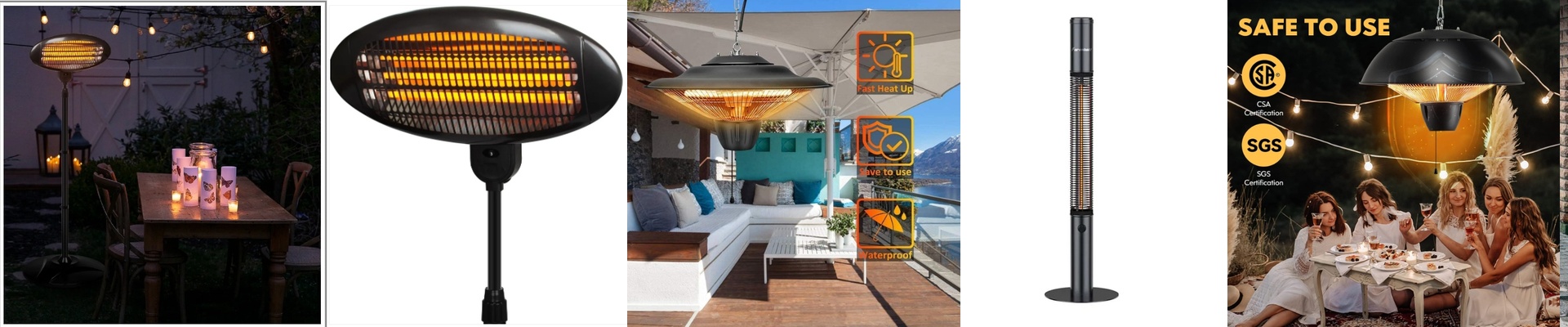
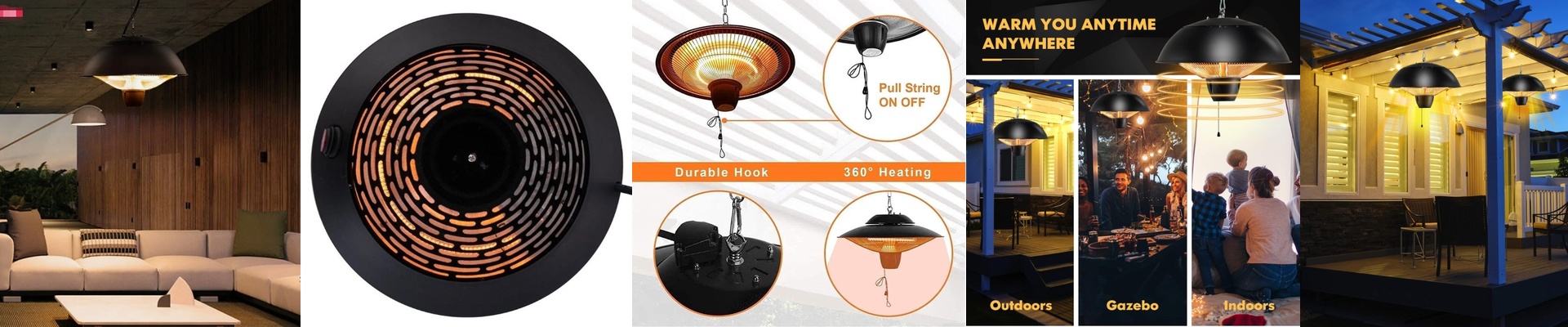
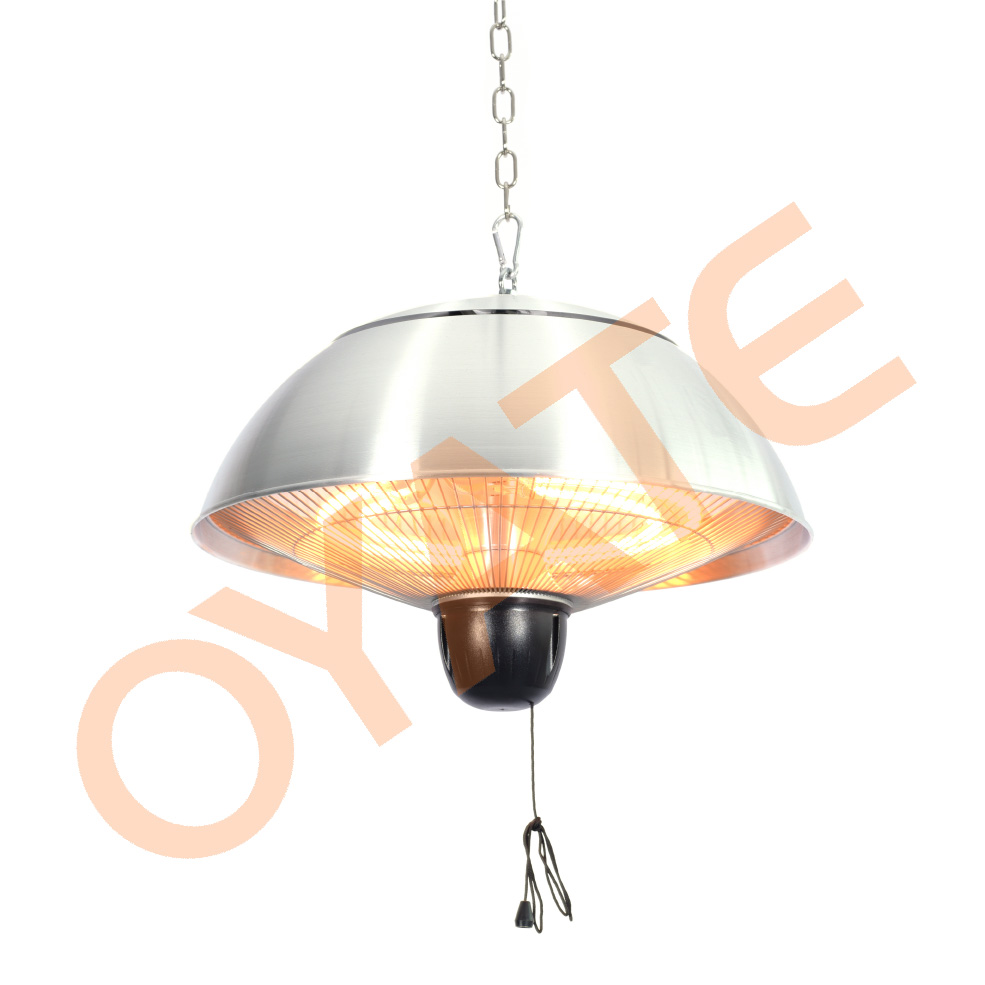
When you’re stepping out of a shower into a cold bathroom, you want heat—and you want it right now. But there’s a tricky part to designing these ceiling heaters. If you just throw a powerful infrared lamp up there, it’s basically like staring into a spotlight. Not great for your eyes, and definitely not okay for a baby’s sensitive vision. The trick is in the glass. Standard infrared lamps put out a wide range of light, including some harsh UV and blue light that can feel blinding. To fix this, we use special coatings on the quartz glass. Think of it as a filter. It lets the cozy heat waves slide right through but blocks out those sharp, piercing peaks of light. The result? Instead of a sterile, blinding glare, you get a soft, warm glow. You still get all the heat, but none of the eye strain. Heat that actually hits you We use halogen-filled quartz tubes because they wake up instantly. There’s no waiting around for a coil to warm up. The best part is how it feels. Since it’s radiant heat, it warms your skin directly rather than trying to heat up all the air in the room. Because it doesn’t rely on blowing hot air around, you don’t get those annoying drafts. It’s just a steady, comforting warmth coming from above. To make sure that heat actually reaches you, we house everything in a polished aluminum alloy. It acts like a mirror, pushing the heat downward in a concentrated beam so you aren’t wasting energy heating the ceiling. The trade-off Now, nothing is perfect. Adding that protective coating to the glass does create a little bit of resistance. You lose a tiny bit of raw power compared to the heavy-duty heaters you’d see in a factory. But honestly? In a home bathroom, that’s a trade you have to make. You can’t just put an industrial-grade heater over your bathtub and hope for the best. One quick tip: just make sure your wiring is up to the task. Halogen lamps have a “cold start” that pulls a spike of current the moment you flip the switch, so your electrical setup needs to be ready for that initial jump.