
Why Second-Level Response Actually Matters
Let’s talk about temperature control. When you need it to be spot-on, the real enemy is that stubborn lag most heaters have. They hang onto heat, and that ruins your consistency. Our fast-response stainless steel ceramic heater is different. It’s built for low thermal inertia, so it hits your setpoint in seconds. And the moment the signal cuts? It stops instantly. No fuss.
Power, Voltage, and the Physical Reality
We packed serious heat into a small footprint. The ceramic core runs at high watt density, while the stainless steel housing keeps everything rigid and protected. Voltage is matched to your plant’s standard, so wiring it in is straightforward. No need to re-engineer the cabinet. And the length is designed to fit right into standard fixtures. The result? A clean install with minimal clearance, and heat output you can count on without needing to oversize the whole enclosure.
Materials and Connectors That Just Work
The ceramic core gives you stable resistance and even heat distribution—no hot spots that can crack coatings. The stainless steel shell can take a beating in industrial settings, resisting oxidation and thermal stress. Then there’s the R7s connector. It’s a simple, proven interface that locks in fast and reliable. When it’s time for a swap, you can get the machine back to work quickly.
Where It Shines—And What to Plan For
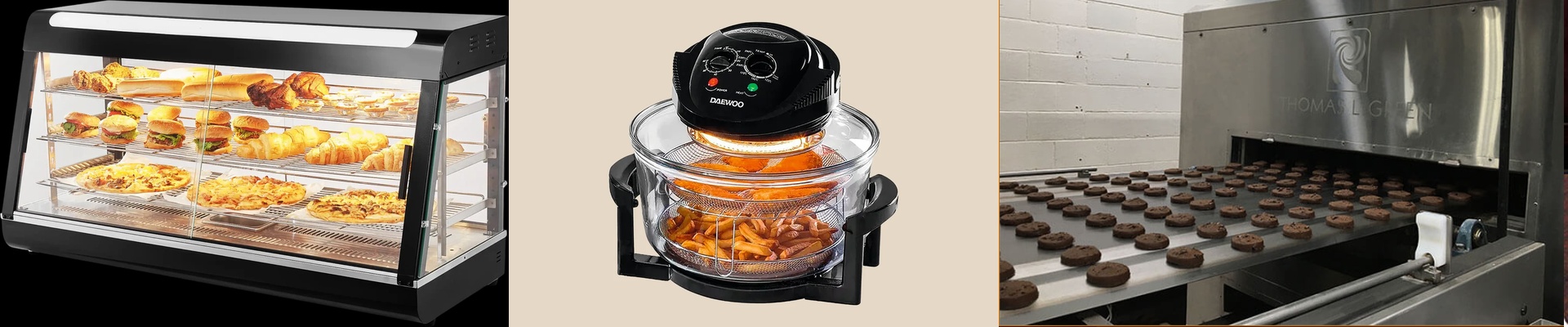
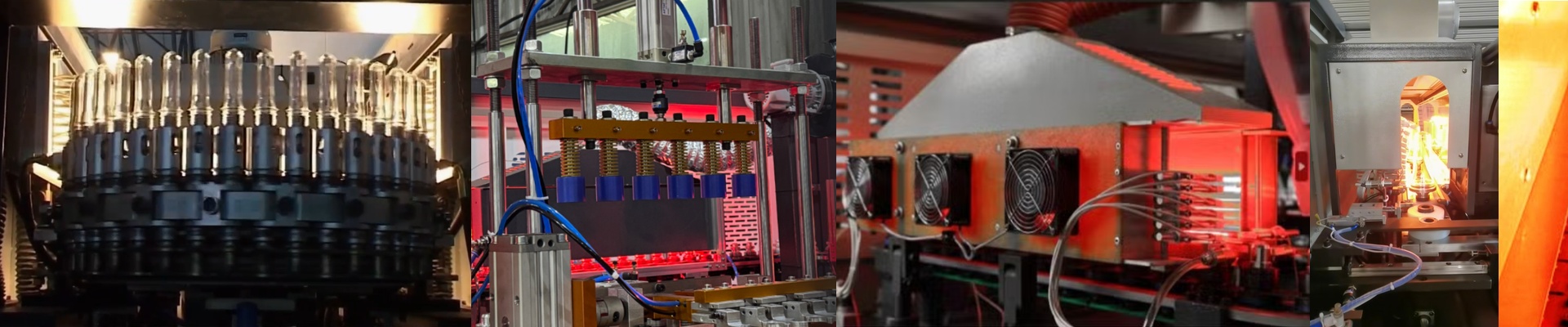
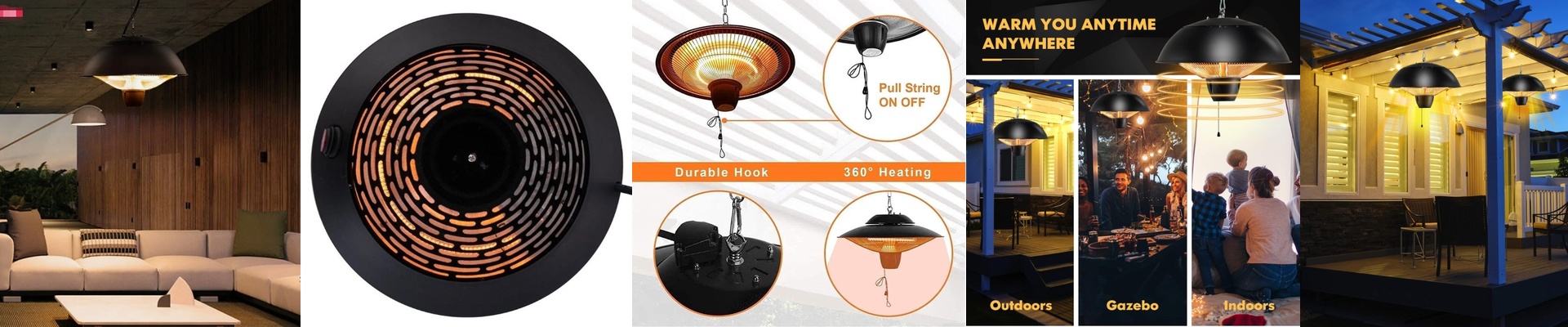
If your process needs temperature swings measured in seconds, this heater gives you tight control with minimal overshoot. It’s perfect for rapid cycling where holding a stable setpoint is non-negotiable. The trade-off? High heat density in a small space means you need adequate cooling and proper insulation. Plan your airflow and thermal management up front, and you’ll get repeatable cycles and predictable energy draw.