
Rapid-Heating Quartz Tubes: The Precision Behind Automated Fryer Control
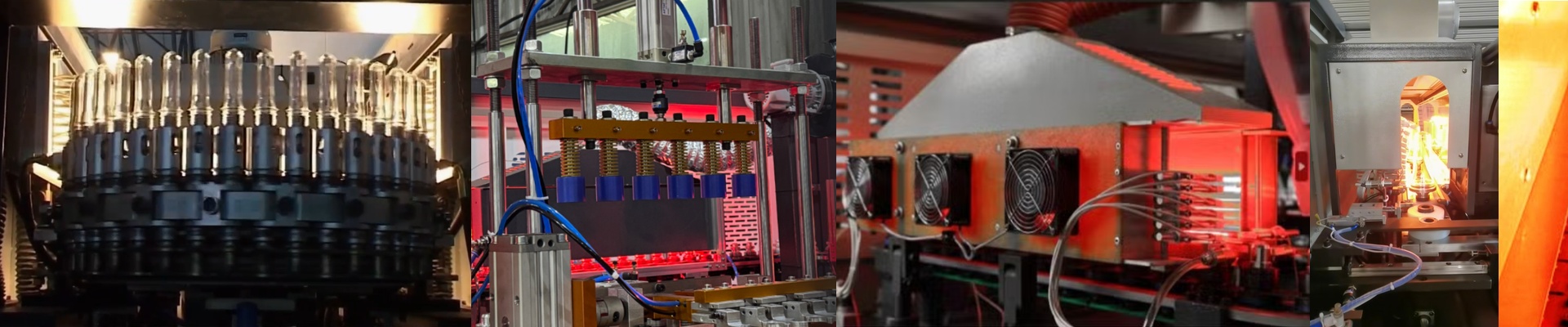
Let’s talk about what makes an automated kitchen actually work. When your fryer is running non-stop, the heating element can’t be the weak link. It has to keep up. That’s exactly why we built our rapid-heating quartz tube infrared heaters. They’re designed to work hand-in-hand with control systems, giving you that lightning-fast response and pinpoint temperature control you need for perfect frying, every single time.
The Nitty-Gritty: Power, Voltage, and Size
Here’s the thing about these tubes: they’re built for speed. We spec them out to heat up fast and keep the temperature locked in tight. A 400V high-voltage setup gives you serious power density, which means you slash warm-up time and cut down on energy waste while the machine is idle. Sure, it needs a solid control interface, but the payoff is huge. You get temperature recovery that’s practically instant when fryer baskets cycle in and out. And the size? It’s compact, usually around 300mm long. That means it slips right into tight spaces without forcing you to redesign the whole machine.
What’s Inside: Quartz, Coating, and Connectors
We chose quartz for a reason. It handles those sudden temperature swings like a champ and transmits infrared energy beautifully. Then we add a specialized coating. It keeps the output stable and protects the element from hotspots that can kill it prematurely. For the electrical side, we use R7s and Sk15 connectors. They make sure the connection stays solid, even when things are heating up and cooling down. And they’re easy to wire up with basic tools—no messing around with delicate parts on a busy shop floor.
How It All Comes Together: Control, Customization, and a Little Planning
In an automated fryer, the heater has to be in sync with the PLC. It needs to know when to turn on and off, hit the right temperature, and respect the safety settings. Our tubes respond quickly, so the control system can hold steady temperatures even when you’re running at full capacity. And we don’t do one-size-fits-all. You can customize voltage, wattage, length, and terminal types so the unit drops right in as a direct replacement. Just keep one thing in mind: that high heat density means you need proper cooling and the right clearances. Plan your airflow and mounting spacing early, and you’ll keep the components lasting longer with way less downtime.