
Can a few new IR lamps actually speed up your bottle production?
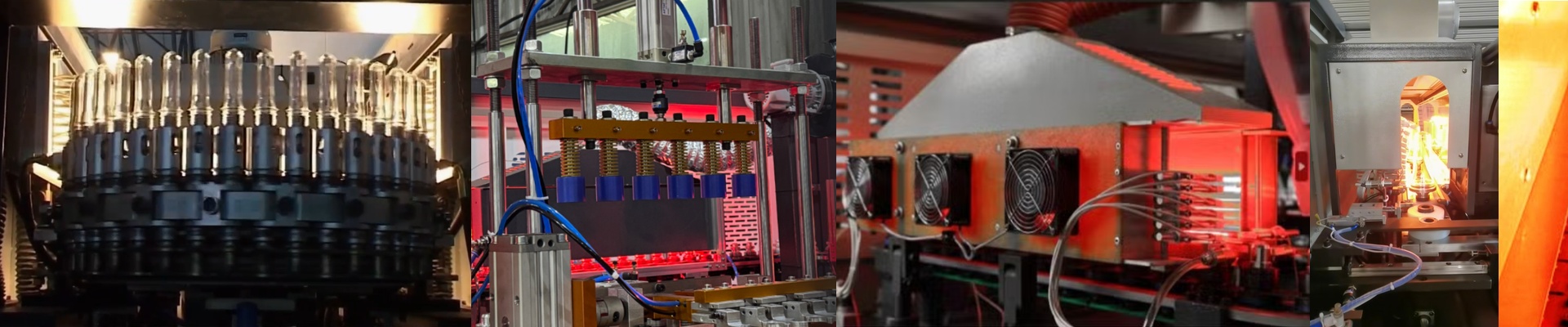
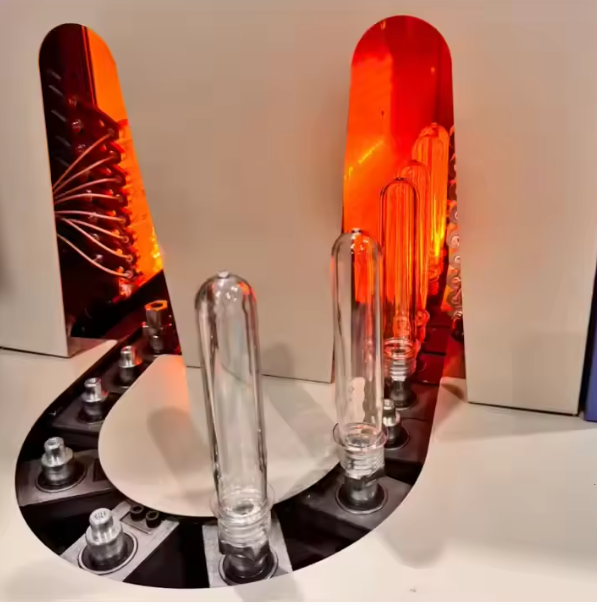
If you’re running a mid-sized blow molding shop, you probably have a few aging machines that just won’t hit the cycle times you need. It’s frustrating. You start wondering if the motor is dying or if the PLC is glitching out, but usually, the real lag is hiding in the oven. When your preforms aren’t heating up fast enough—or evenly—you’re stuck. You have to slow the whole machine down just to keep the wall thickness from looking wonky. It’s a bottleneck that kills your daily numbers. Here is the thing about heat density. If you swap in high-wattage shortwave IR lamps, the math changes. By bumping up the wattage and dialing in the voltage, you’re basically shoving more radiant energy into the PET material in a fraction of the time. We build these lamps to focus that heat exactly where it needs to go. More watts per centimeter means the preform hits its glass transition temperature way faster. Your heating cycle shrinks. That’s where you actually find those extra bottles per hour. The hardware side of things is pretty straightforward. We use heavy-wall quartz glass because thin tubes tend to bow when things get hot. Since most of our replacements use standard R7s or Sk15 connectors, they usually just slide right in. You don’t have to rip out your wiring or rebuild the cabinet. You just swap the lamps, check your current draw, and you’re back in business. We also have coated options that reflect heat back toward the preform, which keeps energy from just leaking out into the room. But wait—there’s a catch. More heat isn’t a free lunch. If you drop a 2500W tube into a spot where a 1500W tube used to live, your cooling fans have to work harder. If your ventilation is weak, you’re going to have a problem. You might warp the lamp holders or roast the surrounding components. Just do yourself a favor: check your airflow before you crank up the wattage.