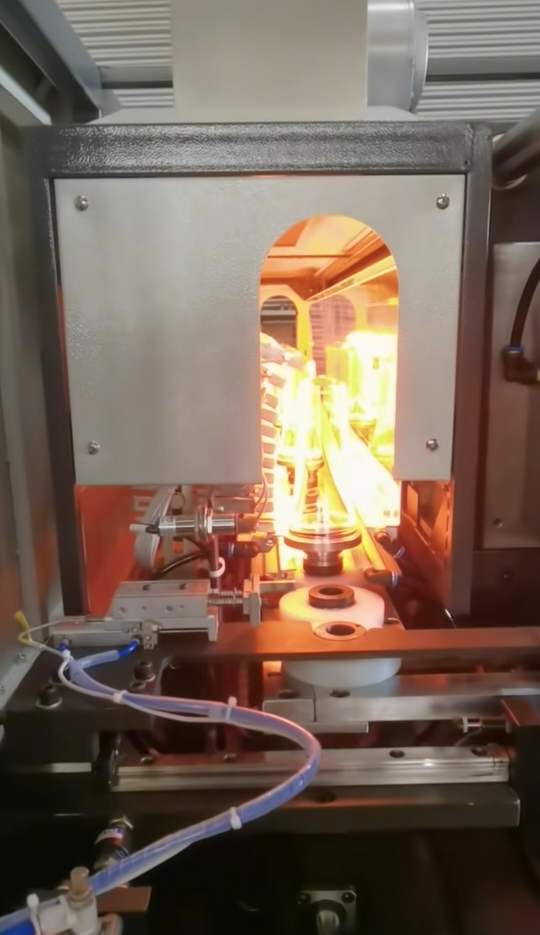
Getting Your Sidel Matrix Heating Lamps Right
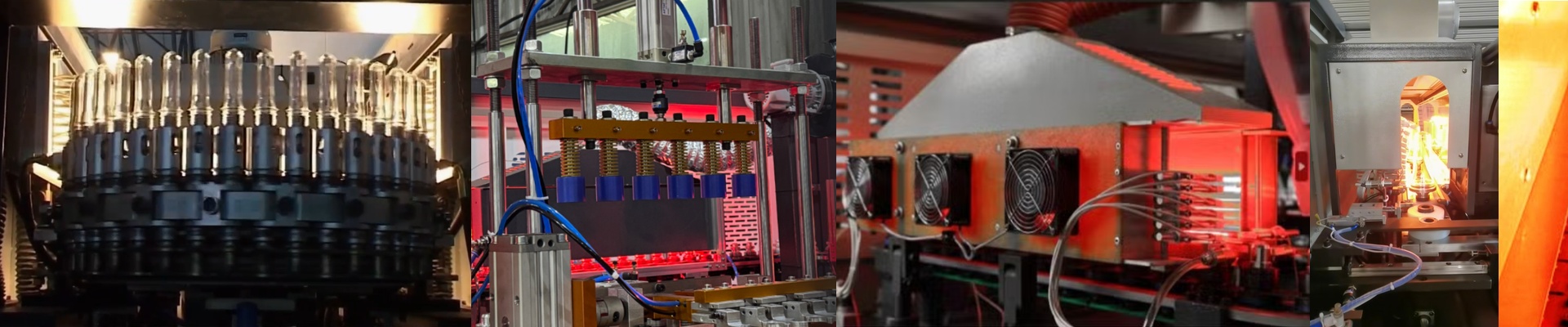
Here is the deal with swapping out OEM lamps in a Sidel Matrix blower: the biggest headache is the temperature ramp-up. If the wattage or the light output is even a tiny bit off, your PET preforms won’t hit the right temperature. That’s when things get messy. You start seeing wall thickness issues or that annoying pearlescence in the finished bottles. Nobody wants that. The Electrical Side of Things We make our quartz lamps to mirror the voltage and wattage of the Sidel originals. But it’s more than just matching a number on a sticker. It’s all about the resistive load. We obsess over the filament diameter and the coil pitch so the current draw stays exactly the same. Why? Because you don’t want your power controllers tripping or running way too hot. Using a lamp with the wrong resistance is a gamble—you could burn out a transformer or throw a whole heating zone out of whack. Heat and Glass We use high-purity fused quartz because these things take a beating with rapid heating and cooling. To keep that original heating curve, we focus on the spectral distribution. We tune the halogen cycle so the light output stays steady over time. This means the heat sinks into the PET wall at the same pace as the factory parts. Plus, we use standard connectors. They just slide right into your existing sockets. No rewiring, no fuss. A Quick Word of Advice High-density IR lamps push a lot of heat into a small space. That puts a lot of pressure on your oven’s ventilation. Our lamps match the OEM heat curve, but they can’t fix a clogged fan. If your airflow is choked, heat builds up in the housing and eats away at the lamp seals. Keep the air moving, and these tubes will do exactly what they’re supposed to do.