Making Smart Infrared Heaters Actually Work in Wet Spaces
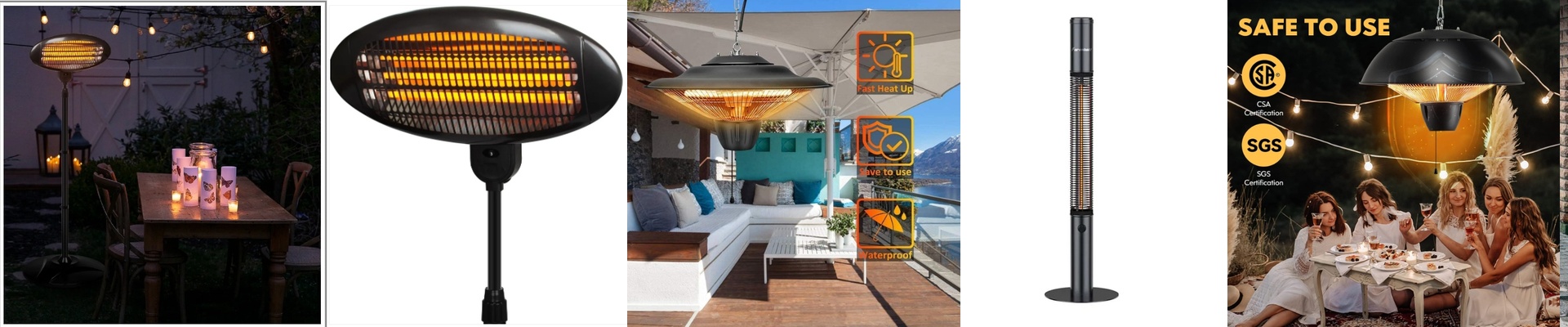
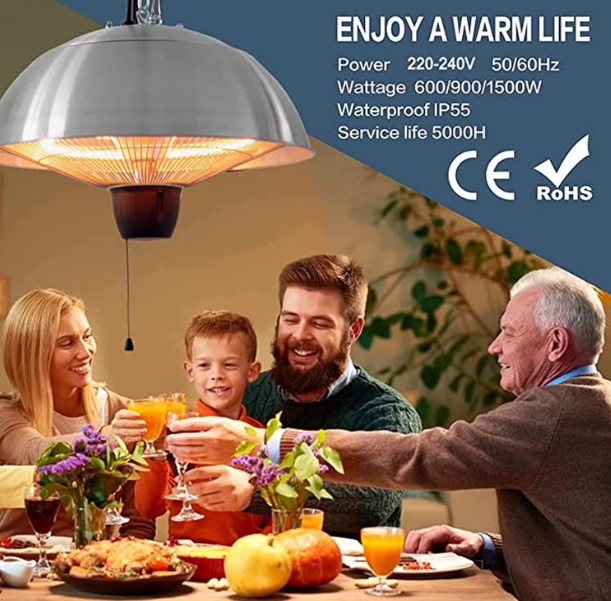
Adding a heater to a smart home setup isn’t as simple as slapping a Wi-Fi chip on a piece of metal. If you’re putting these in a bathroom or on a patio, you’re fighting a constant battle with moisture. Most standard heating elements just give up and burn out when things get damp. That’s why we build ours with an IPX5 rating. In plain English? It means the guts of the heater are sealed tight. We use heavy-duty gaskets and sealed connection points so that even if a stray jet of water hits the unit, the electronics stay dry and keep humming along.
Heat That Hits You Instantly
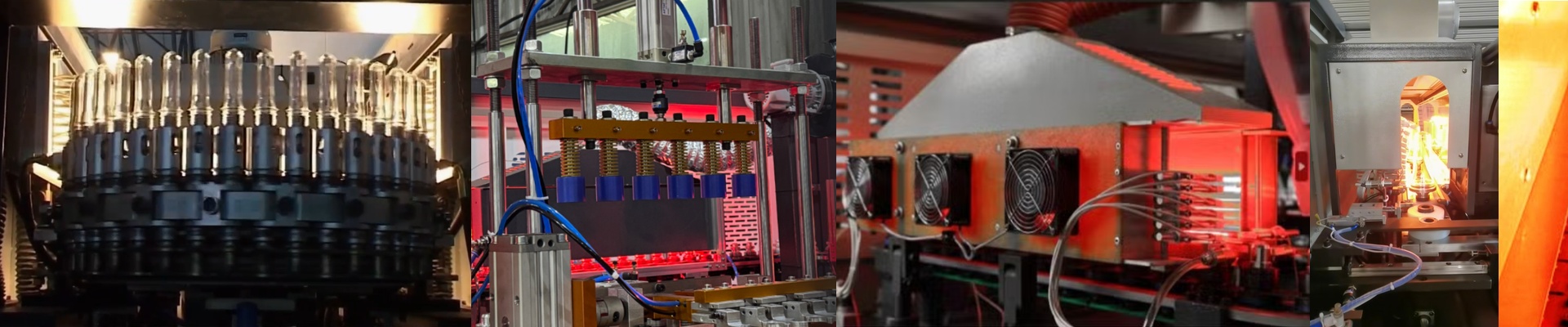
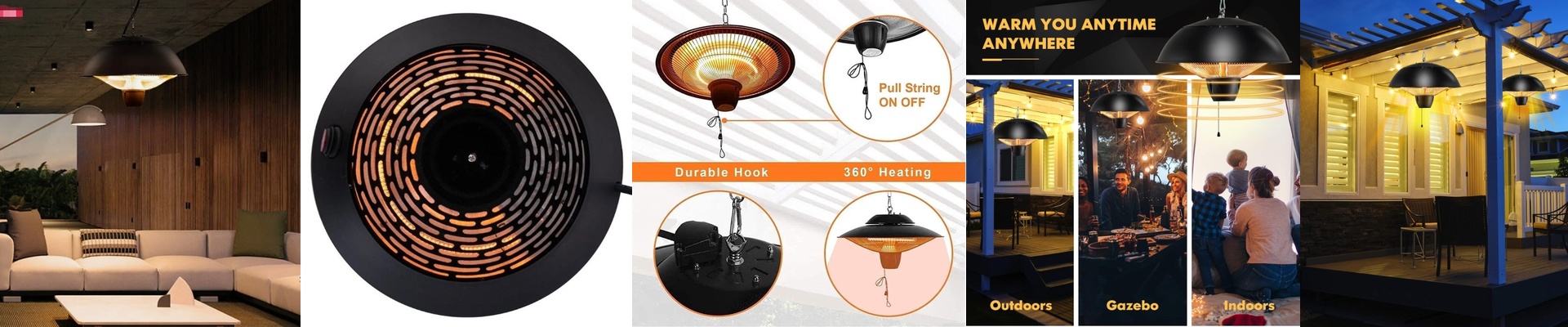
Here is the cool part: we use shortwave infrared emitters. Most heaters try to warm up the air in the room, which takes forever. These lamps are different. They send out radiation that warms you and your furniture directly. It’s basically instant. The moment your smart hub triggers the heater, you feel the warmth. No waiting around in a cold bathroom for ten minutes while the air slowly warms up.It’s just on.
The “Magic” Behind the App
When you tap a button on your phone, a lot happens behind the scenes. We connect these units to smart relays using Zigbee or Matter. But because infrared lamps pull a massive amount of power the second they kick in, cheap switches would just melt or weld shut. We use heavy-duty relays to handle that initial surge of electricity so the system doesn’t fry itself. You can also set these to be totally hands-off. Throw in a few occupancy sensors or a temperature probe, and the heater just knows when to kick in to keep the room cozy.
A Few Things to Keep in Mind
It’s not all magic; there are some real-world physics to deal with. Since these lamps pull so much current, you can’t just use any old wire. If you’re installing a few of these, make sure your wiring gauge is thick enough. If it’s too thin, you’ll get voltage drops and the heaters won’t perform. Also, while the outer shell is tough, the quartz tubes inside are fragile. They’re basically glass. If you’re putting these in a high-traffic area where things might bump into them,**put a protective grille over them.**It saves you from a very expensive mistake.