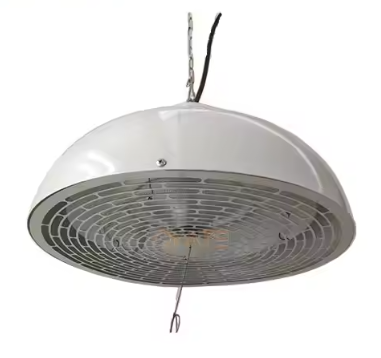
Why we put our bathroom lamps through a “steam torture test”
Think about where a bathroom heater actually lives. It’s a brutal spot. You’ve got thick steam, direct splashes of water, and the temperature jumping from freezing to scorching in seconds. If a seal is off by a fraction of a millimeter or a quartz tube has a tiny, invisible crack, the lamp is toast. It’ll either burn out or, worse, short-circuit. We don’t like guessing how long a lamp will last. Instead, we try to break it.
The problem with moisture
Most of these heaters use shortwave infrared quartz lamps. Now, quartz is great with heat, but the connection points—where the electrodes meet the wires—are the Achilles’ heel. Water is sneaky. It finds its way into those seals through capillary action. Once moisture hits the live electrical parts, you get oxidation or a total meltdown. To stop that, we use damp-heat aging tests. We basically shove the units into a chamber with 85% humidity and swing the temperature back and forth. It’s a way to simulate years of steamy showers in just a few weeks. It puts the seals and waterproof coatings through hell.
Hunting for failures
We’re looking for two main things: are the seals holding, and is the electricity staying steady? If the resistance shifts during the test, it’s a red flag. It means the halogen gas is leaking out or water is creeping in. A lamp might look fine when you first flip the switch, but if the potting compound isn’t just right for high humidity, it’ll fail after three months in a real home.
The balancing act
Here’s the tricky part. You can’t just make the seals “extra tight.” When the lamp heats up, the air inside expands. If we over-engineer the seal and don’t leave room for that thermal expansion, the glass will simply pop. It’s a delicate balance between keeping the water out and letting the lamp breathe so it doesn’t crack under pressure. We share these test reports because a “waterproof” label doesn’t mean much if there’s no proof. You just want a lamp that does its job without tripping the breaker the second someone takes a hot shower.