
Stop Letting Your Heaters Slow Down Your Production Line
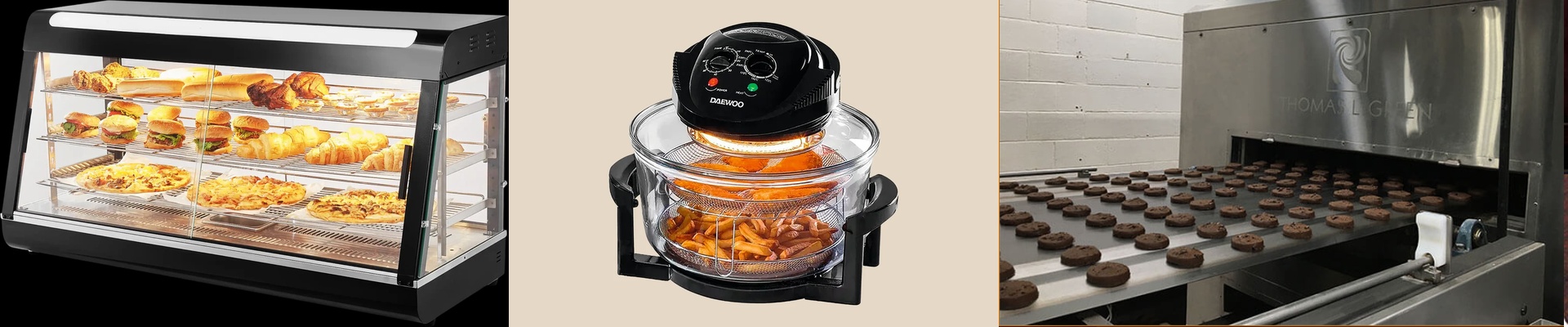
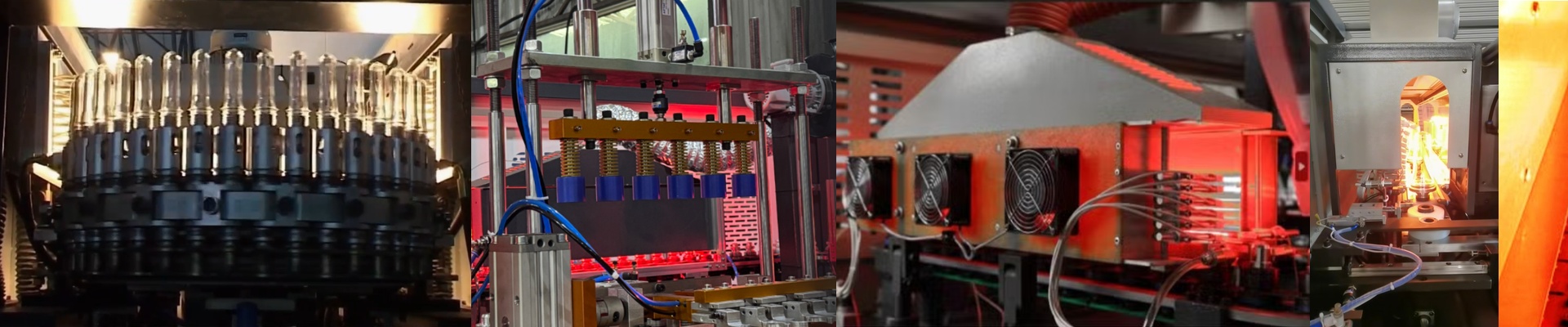
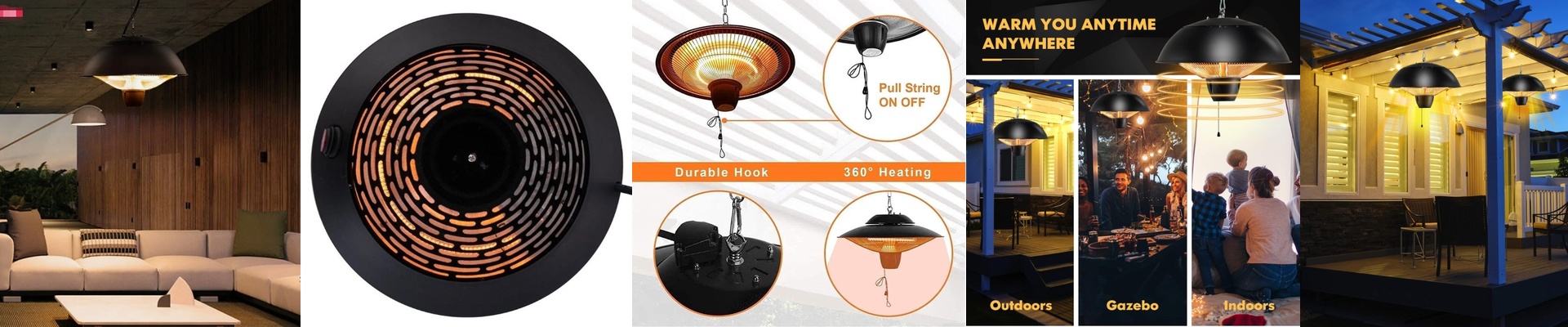
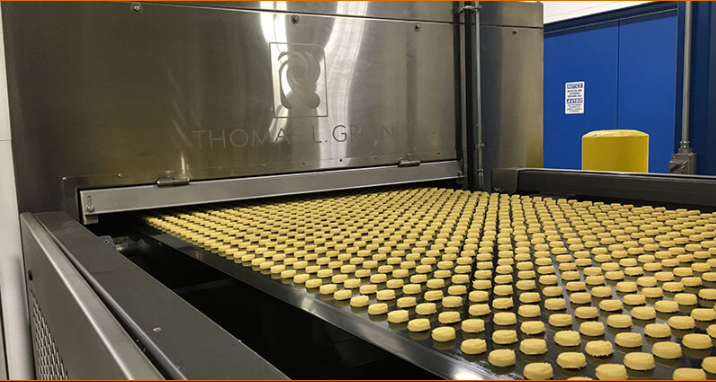
Ever feel like your production line is hitting a wall? You want to speed things up, but your food display cases just can’t keep up. Usually, it comes down to one thing: thermal inertia. Standard heating lamps are slow. They take forever to get up to temp, and they waste a ton of heat just warming up the air around them. It’s frustrating. You’re waiting on the equipment, and that’s money leaking out of your pocket. That’s why we build custom infrared (IR) modules. We basically cut out the lag. How it actually works Most generic heaters rely on convection—which is a fancy way of saying they heat the air first. But custom IR modules use short-wave radiation. Instead of warming the room, the energy hits the food directly. We tune the wavelength to match exactly what your specific food product absorbs. The result? A much faster ramp-up. You can tighten your production beat and move more product without worrying about things coming out undercooked. Fitting the heater to the machine (not the other way around) I’ve seen too many people buy off-the-shelf lamps and then spend weeks redesigning their entire machine just to make the heater fit. That’s backwards. We do it the opposite way. You tell us your chassis footprint, and we spec the wattage and length to fit that exact space. Need a ton of heat in a tiny area? We can crank up the wattage per centimeter. Just a heads-up, though: when you pack that much power into a small tube, the quartz gets seriously hot. You’ll need to make sure your ventilation is on point so you don’t fry your other components. Easy swaps and less waste Nobody wants to rewire a whole circuit board during a breakdown. We design these for quick swaps—whether you’re using R7s or Sk15 connectors, it’s a simple drop-in replacement. Click it in and get back to work. And here’s a little trick: we can use gold or specialized quartz coatings to reflect the heat back toward the food. It keeps the heat where it belongs and away from your sensors and the chassis. It’s a cleaner way to run the line faster without melting your hardware.