
Making Infrared Lamps That Actually Last in Steam Ovens
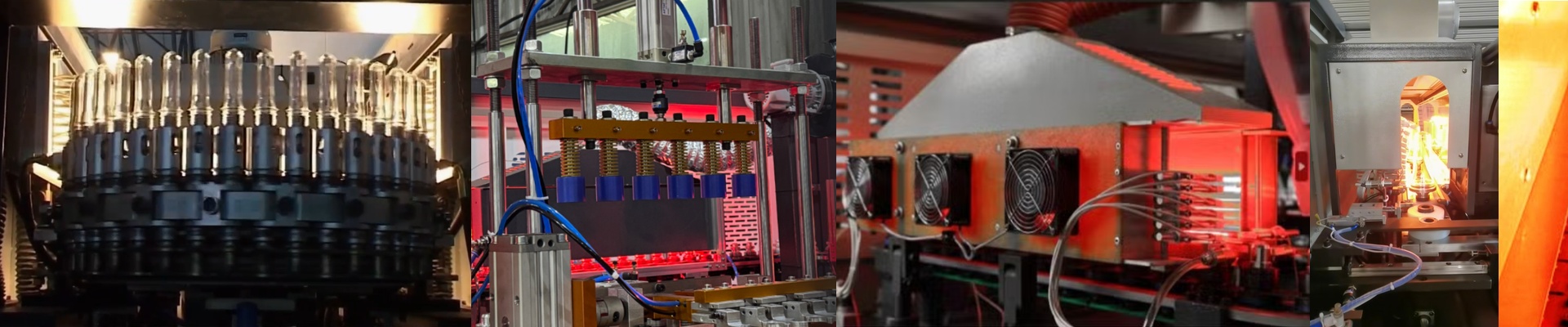
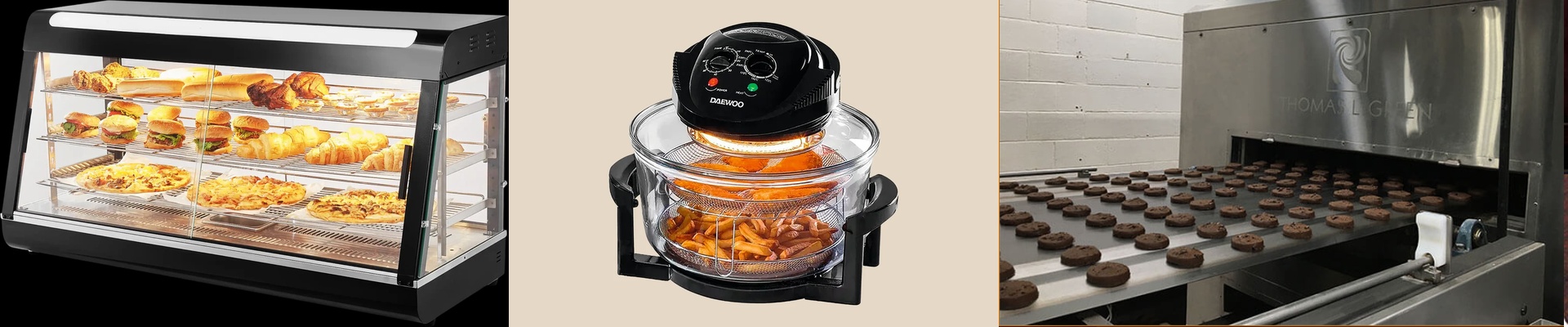
If you’re running a steam oven for 10 hours a day at full blast, you know the struggle. Most heating elements just can’t take the beating. They burn out, they flicker, and suddenly you’re replacing lamps every few weeks. It’s a headache nobody needs. We wanted to fix that. Our goal was simple: build a domestic infrared tube that holds its own against the big global brands. To do that, we stopped looking at the surface and started obsessing over the chemistry of the filament and the purity of the quartz. The battle against burnout Here’s the thing about running a heater all day: the filament is constantly expanding and shrinking. It’s a brutal cycle. If the quartz isn’t high-grade, the tube warps. Simple as that. To keep these lamps alive, we lean heavily on the halogen cycle. Essentially, it catches the tungsten as it evaporates and puts it right back onto the filament. This stops the wire from thinning out and snapping prematurely. But a quick heads-up: if your voltage is jumping all over the place, it’ll kill any lamp you buy, no matter who made it. Getting the heat where it belongs Nobody likes waiting for an oven to warm up. It wastes time and electricity. We designed these tubes to hit target temperatures in seconds. We did this by tweaking the filament winding pitch. Instead of just heating up the air inside the oven, the heat actually penetrates the food. It’s a more direct, efficient kind of heat. Putting them to work We made these as drop-in replacements. You shouldn’t have to rewire your racks or spend an afternoon fiddling with connectors; they just fit. One thing to keep in mind, though. When you push for those lightning-fast ramp-up times, your oven’s chassis is going to feel the heat. Make sure your ventilation is up to the task, or you might find your thermal cut-offs tripping. If you keep your voltage steady, these tubes can easily clear the 5,000-hour mark. It just works.