Why Your Oven’s Heat Actually Matters
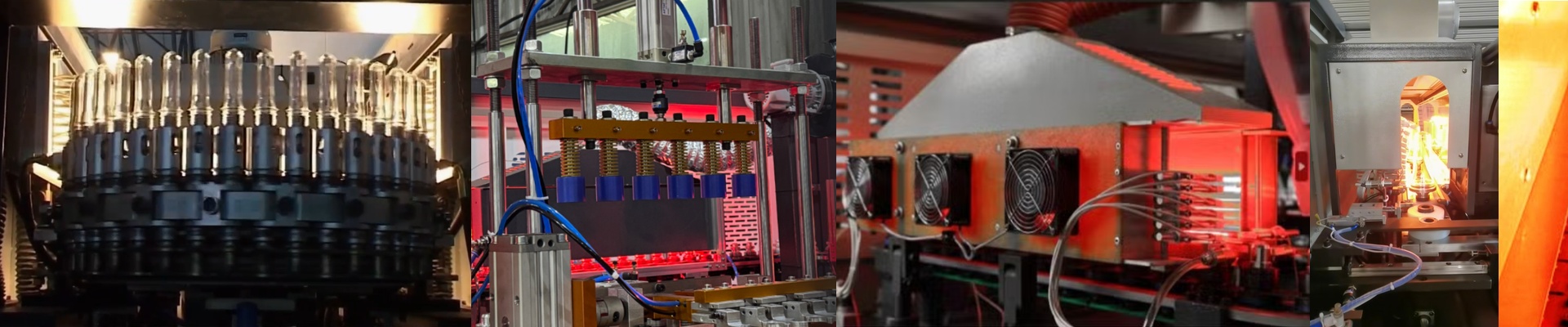
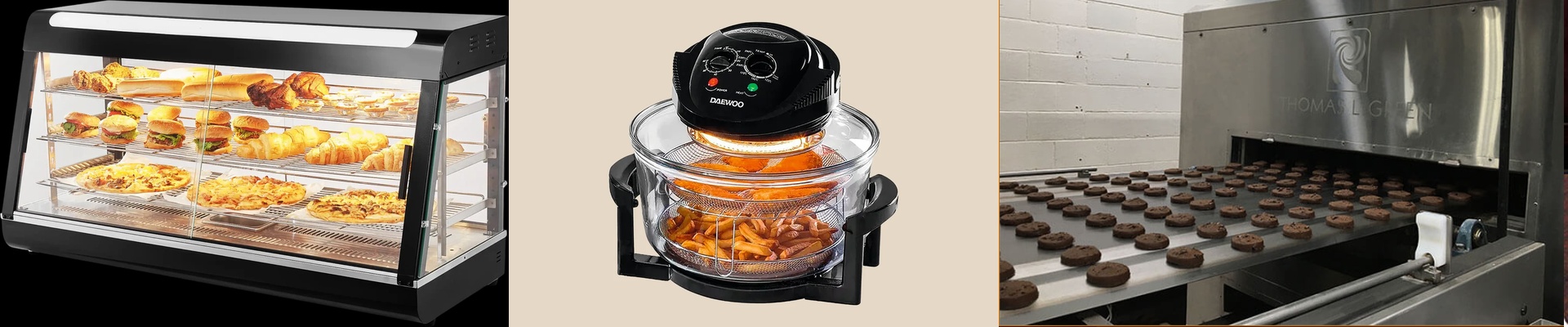
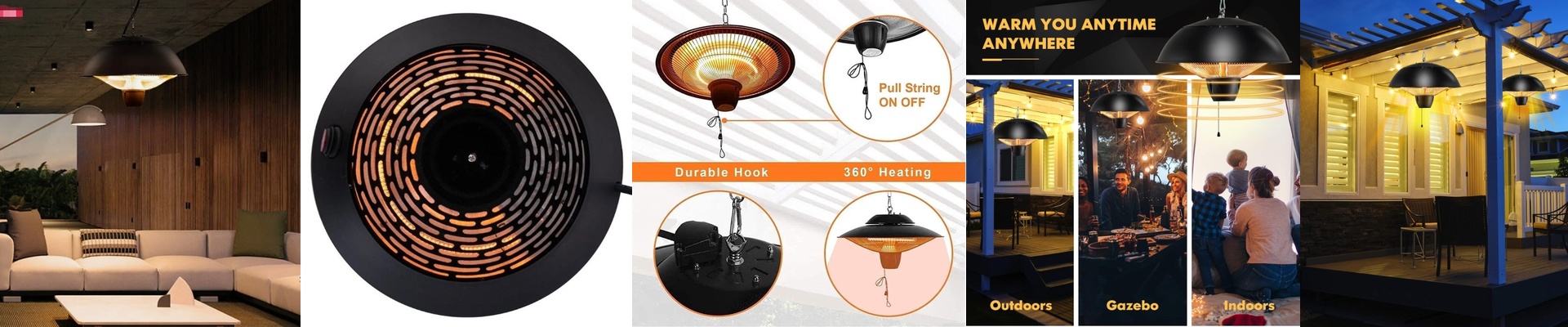
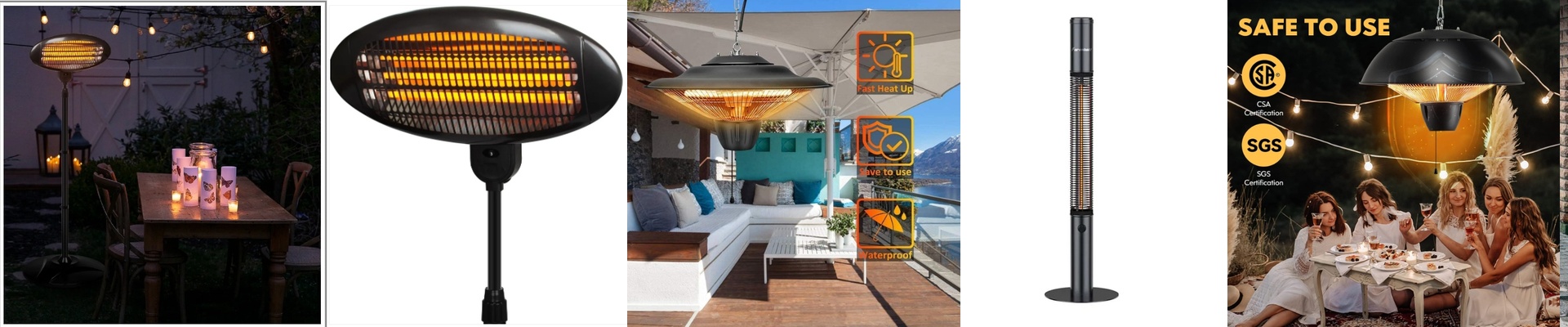
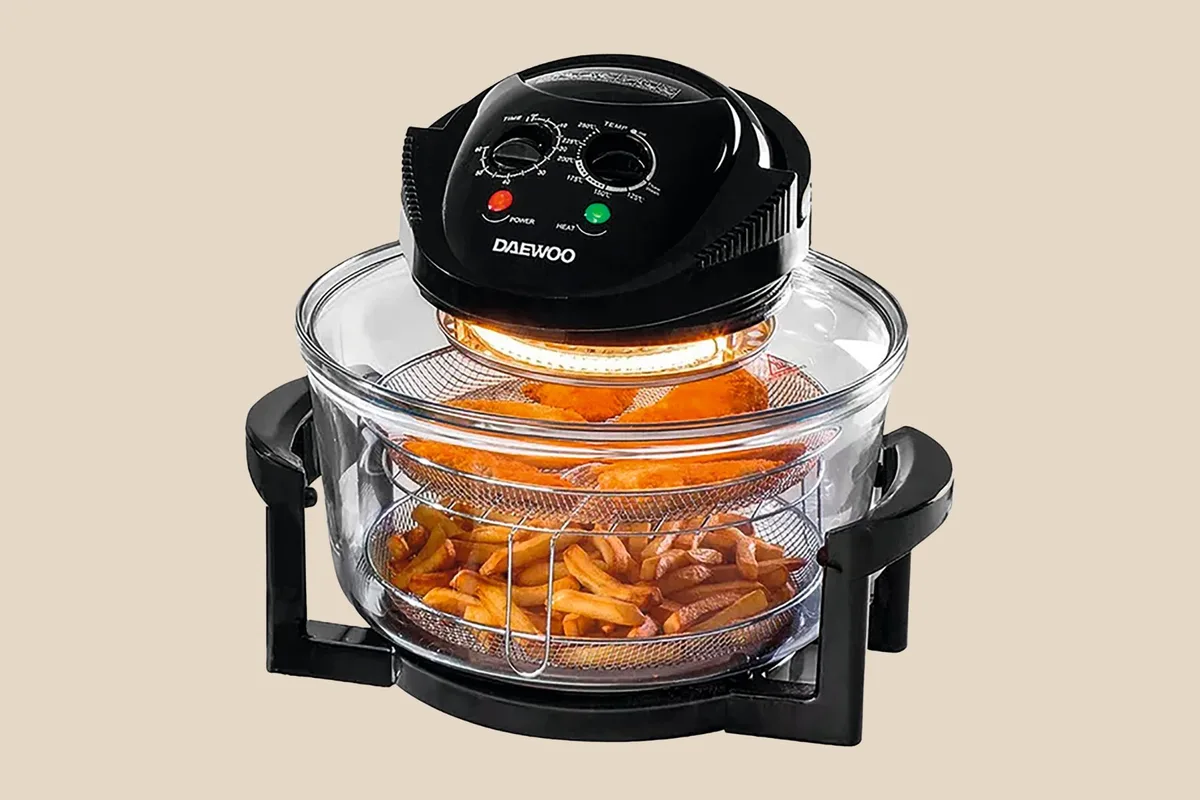
If you’ve ever spent hours baking only to have your pastries come out uneven or your crusts burnt to a crisp, you know the frustration. Most of the time, it’s not your fault—it’s the oven. Standard heating elements are sluggish. They take forever to get hot and even longer to cool down. It’s like trying to steer a cruise ship; by the time you realize you’re off course, you’ve already sailed too far. That’s why we use halogen elements in our high-end steam ovens. Instead of just heating the air and hoping it reaches your food, these lamps shoot short-wave infrared radiation straight into the bake. It’s fast. Really fast. Because they don’t have that heavy “thermal lag,” they react instantly. We pair them with a smart controller that watches the temperature like a hawk. The second the oven hits a one-degree overshoot, the power cuts. The heat drops immediately. No more “temperature swings.” No more guessing if the middle is cooked while the edges are charred. Now, we don’t just throw any lightbulb in there. We use high-purity quartz glass so the steam doesn’t wreck the hardware. Plus, there’s a halogen gas cycle inside that keeps the tungsten filament from wearing out, so the heat stays consistent for thousands of hours. But here’s the thing: these elements pack a huge punch in a tiny space. They runhot. If your ventilation isn’t up to scratch, all that concentrated heat can soak into the machine and fry your control boards or melt the plastic housing. You have to make sure the airflow is dialed in, or you’re just asking for trouble. When you get this right—pairing those halogen elements with a high-frequency relay—the temperature line stays flat. It takes the stress out of the kitchen. You stop fighting with a temperamental machine and finally get to focus on the actual chemistry of your baking. You just get the result you wanted. Every single time.