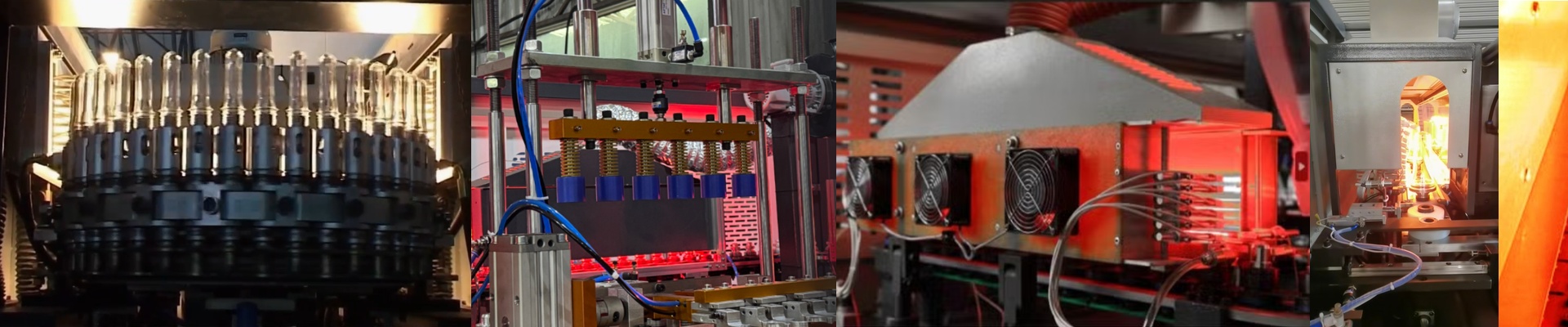

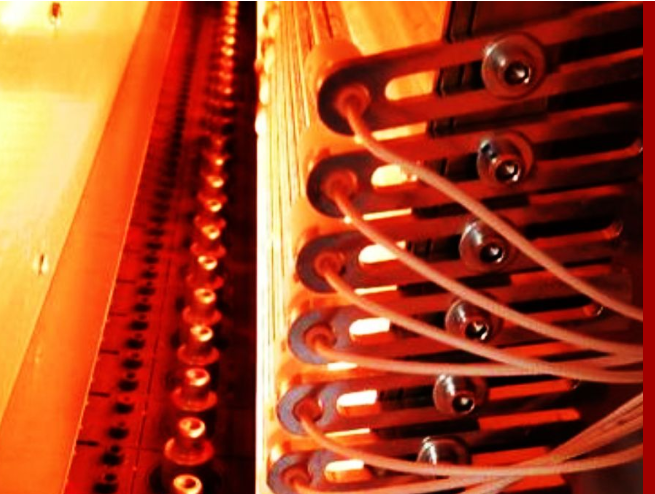
Out on the plant floor, a SIPA rotary blow molder running full tilt can turn a small drift in the heating tunnel into a real money pit—fast. When the tunnel starts chasing temperatures, preforms come out uneven. You’re left with more scrap, more stops, and another emergency call to the vendor. The usual fix tends to be pricey and slow, and the downtime just keeps compounding. What actually matters under the hood The SIPA SFR 10 rotary blower infrared tube is specced to match the OEM’s heating profile on SIPA stretch blow molding lines. It uses short-wave infrared, with a quartz envelope and a halogen filament, so it responds quickly and focuses the heat where it needs to be—right in step with the fast cycle times of a rotary system. The tube is engineered to the SFR 10 envelope size and termination, with an R7s connector and standard voltage options, so it drops straight into the existing lamp holders without rewiring. In practice, that means tighter temperature control across the preform heating zone, which keeps wall thickness consistent and cuts down on brittle zones after stretch. Why it holds up on a rotary line Rotary blow molders run hot and fast, and the heating tunnel has to keep pace without overshooting. This infrared tube hits target temperature quickly and then holds steady, so preform heat is repeatable, cycle after cycle. The payoff is fewer rejects from inconsistent stretch, less time spent manually retuning, and fewer lamp changes. Energy use stays reasonable because the response is direct—less wasted heat, less overcompensation in the tunnel. For SIPA SFR 10 users, that means stable output, predictable quality, and less pressure on maintenance. The practical details that keep you out of trouble Installation is straightforward, but the lamp is sensitive to handling. Keep the quartz clean, never touch it with bare fingers, and torque the holder to spec to avoid hot spots and uneven heating. Verify the local mains voltage matches the tube rating, and confirm the lamp orientation lines up with the reflector geometry in your tunnel. And because the infrared output is strong, make sure shielding and interlocks stay intact—safety comes first.