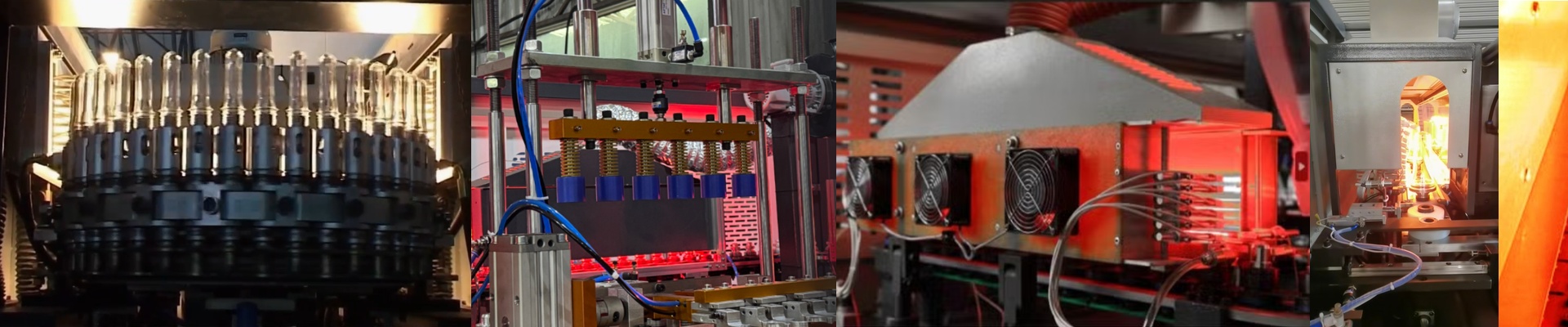
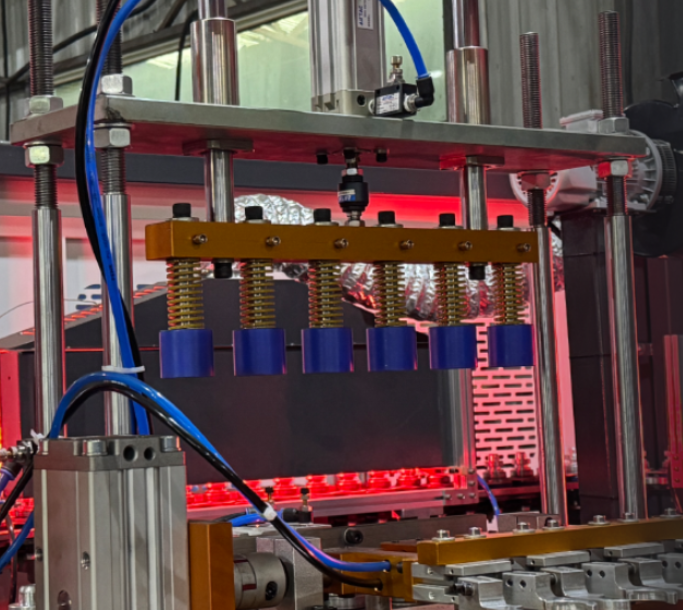
On the blow molding line, uneven preform heating shows up fast—thin walls, stress marks, and a few bottles that never make it to the fill line. Nine times out of ten, the root is right there in the oven, where zoned infrared lamps set the temperature profile. If the lamps aren’t pulling their weight, the whole run pays for it.
What matters under the hood
We spec the oven zoning lamps around short-wave infrared emitters—typically quartz halogen—matched to the heating tunnel geometry. The emitters are rated for stable output at 230 V or 240 V, and they use standard R7s connectors so you can swap them straight in on Sidel, Krones, SIPA, Husky, SACMI, and Nissei ASB ovens. Power density is tuned for fast response: the lamps hit target output in seconds, so a zone tweak translates quickly to the preform surface temperature. We size them to common lengths and mounting spacing, so you can change one lamp at a time without reworking the oven brackets.
Why this matters on the floor
With stretch blow molding, preform heating is the gate that sets cycle speed and bottle consistency. Our zoning lamps give you repeatable control in each heating zone, so the preform hits the right temperature profile without hot spots or cold bands. In practice, that means fewer rejects from crystallization and tighter control over wall thickness distribution. Because the lamps respond fast, you can run the temperature band tighter and keep the machine at the higher end of its rated throughput, instead of throttling back to cover variability.
The practical details
These lamps drop in to OEM oven layouts, but the reflectors still call the shots. If reflectors are oxidized or out of alignment, you’ll lose effective energy density even with a brand-new lamp. Pair the replacement with a quick reflector inspection and cleaning. And before you bring the line back to full speed, confirm the zone wiring and the thermal control response—matching the lamp to the control loop keeps overshoot off the preform and protects the heating elements.