More Than Just a Warm Bathroom
Most people think of those infrared bathroom lamps as just a way to stop the shivers while you’re drying off. But we looked at them differently. We wanted to build something that actually fights the hidden battle in your bathroom: the moisture.
How it actually works
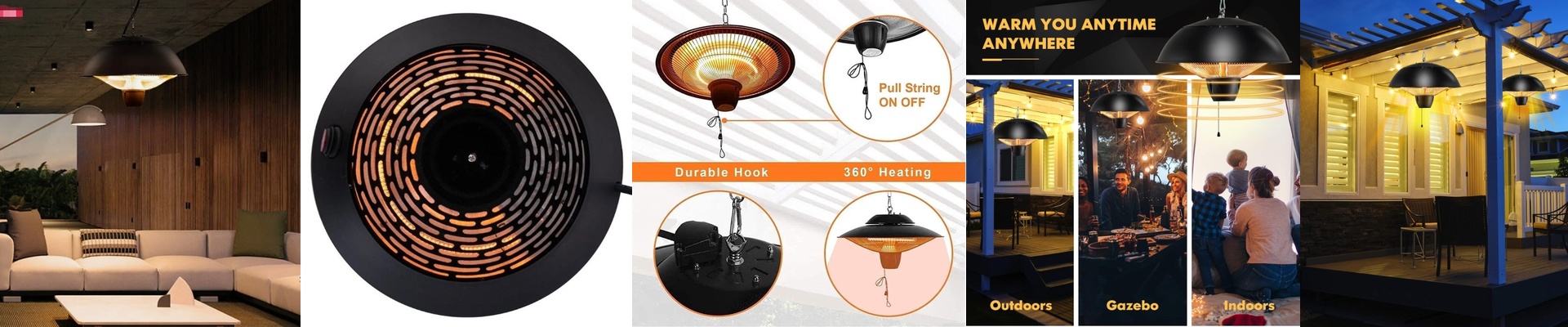
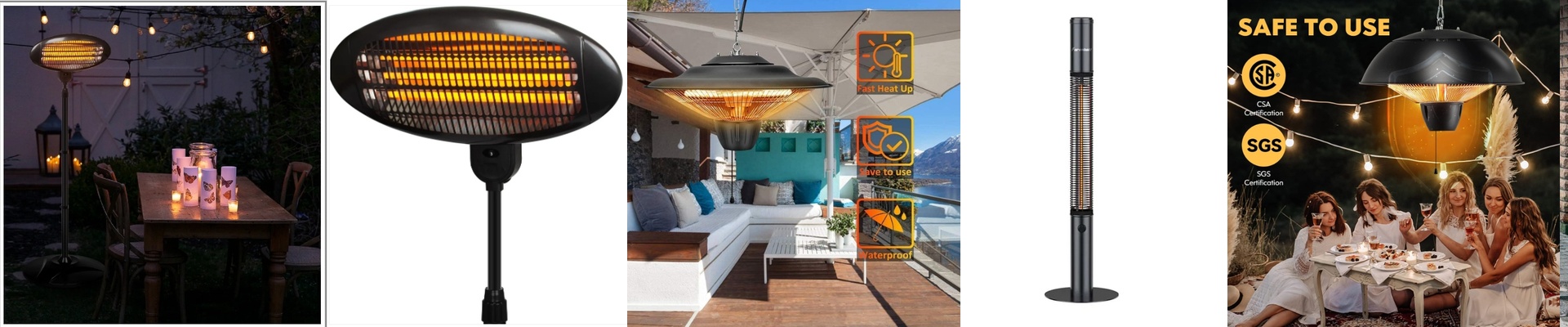
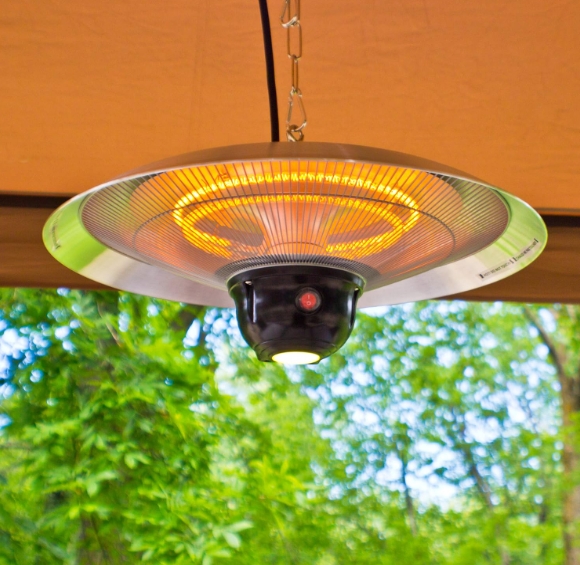
Here’s the thing about most heaters—they just warm up the air. That’s fine, but it doesn’t do much for those damp corners. Our lamps use short-wave infrared. Instead of heating the air, the heat travels straight to your tiles and walls. Think of it like sunlight hitting a sidewalk on a July afternoon. The wall gets warm, which means water can’t settle and bead up on the surface. And when there’s no condensation? Mold doesn’t have a place to grow. It’s a simple fix for a gross problem.
The “Under the Hood” Stuff
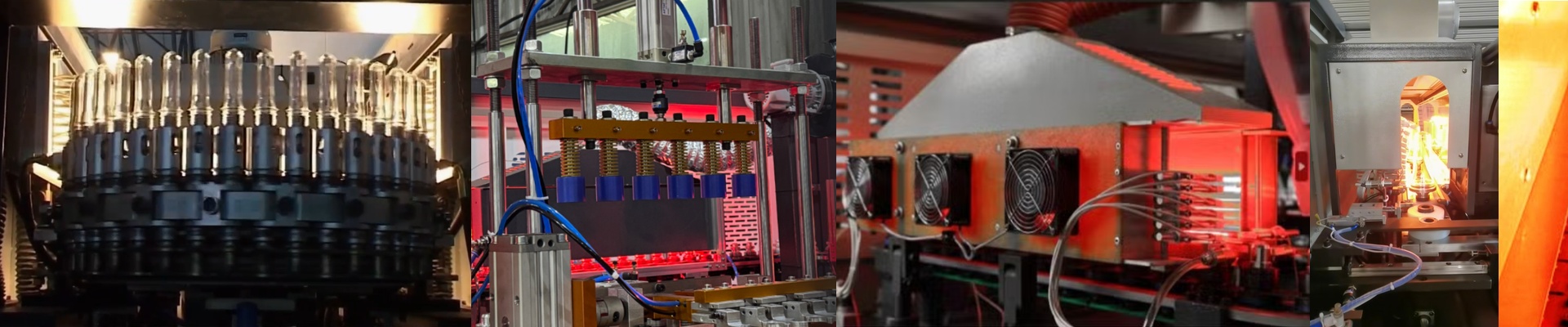
We didn’t cut corners on the materials. We use high-purity quartz glass because it can handle being turned on and off rapidly without cracking under the pressure. Inside, we use a halogen-filled filament to crank up the heat and keep that infrared output sharp. One quick heads-up:**be careful with your wiring.**These lamps pull a lot of power the second you flip the switch. If your circuit is old or under-powered, you’re going to trip a breaker. Also, do yourself a favor and use high-temp ceramic sockets. You don’t want your housing melting because the load was too heavy.
The Reality Check
Now, let’s be clear. This isn’t a magic replacement for your exhaust fan. You still need that fan. Our lamp acts like a helper. It dries out the standing water on your walls and pushes that moisture back into the air so your vent can suck it out of the room faster. The only real downside is that the heat is directional. If something is blocking the light, that spot stays cool. To make it work, you’ve got to place the fixtures where the water actually hits—usually the shower wall and the vanity. Get the placement right, and your bathroom stays dry. Simple as that.