Why Your Oven’s Response Time Actually Matters
If you’ve ever worked in a busy kitchen, you know the nightmare of an oven that doesn’t listen. You need a quick blast of heat, then you need it to stop—right now—so you don’t turn a perfect crust into a charcoal brick. Most ovens just can’t keep up. They have too much “thermal inertia,” which is just a fancy way of saying they take forever to warm up and even longer to cool down. We decided to fix that. Our infrared tubes don’t spend minutes lumbering up to temperature. They hit full power in seconds.
How we make it happen
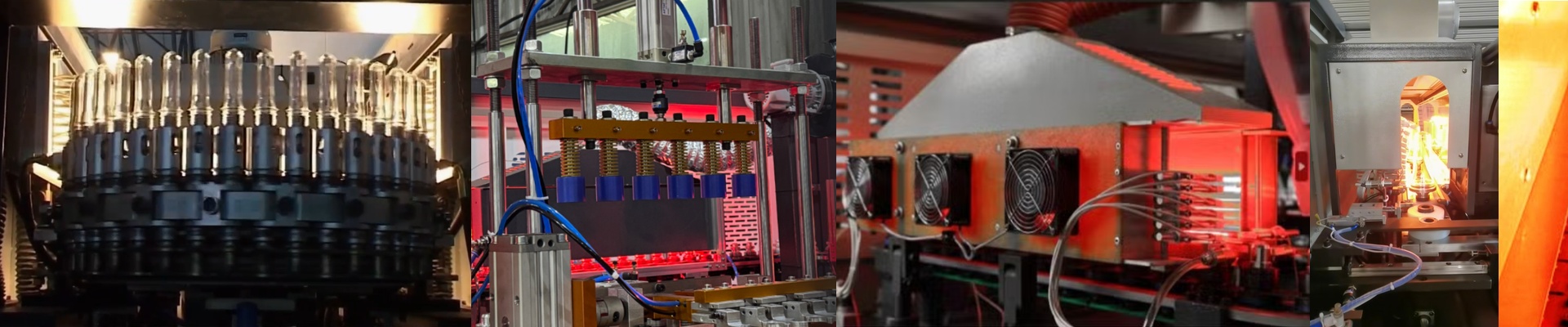
It really comes down to getting rid of the bulk. Think about a heavy metal heating plate. The heat has to soak through all that metal before it ever reaches your food. It’s slow. Our setup is different. We use a low-mass filament tucked inside a high-purity quartz or ceramic shell. Because there isn’t a heavy chassis in the way, the heat radiates directly. You flip the switch, the filament glows almost instantly, and the heat is exactly where it needs to be. It gives you a level of control that feels more like a light switch than a traditional oven.
The struggle with “on-off” cycling
Here’s the thing: flipping a heater on and off constantly is brutal on the hardware. Most filaments expand and contract so quickly that they just snap. It’s like bending a paperclip back and forth until it breaks. To stop that from happening, we use a specialized alloy and reinforced seals that can actually handle those thermal shocks without giving up. We also added a ceramic housing. It acts as a buffer, pushing the heat forward into the food rather than letting it leak backward and waste energy in the oven cavity.
The honest trade-offs
I want to be straight with you—speed comes with a price. Because these elements run so hot to get that instant response, they won’t last as long as a slow-and-steady cast iron heater. You’re going to be replacing them more often. That’s just the nature of the beast. One more thing: check your wiring. These lamps have a specific “inrush current” when they kick on. If your contactors or SSRs aren’t rated for that kind of rapid cycling, you’ll fry your control board long before the heating element ever burns out. Make sure your gear can handle the pace.