Fixing Those Annoying Hot and Cold Spots in PET Blowing
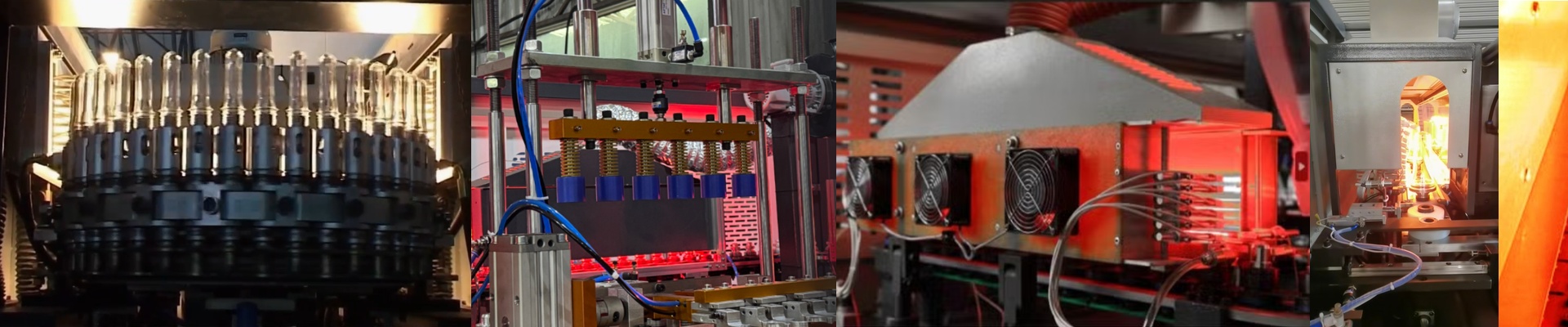
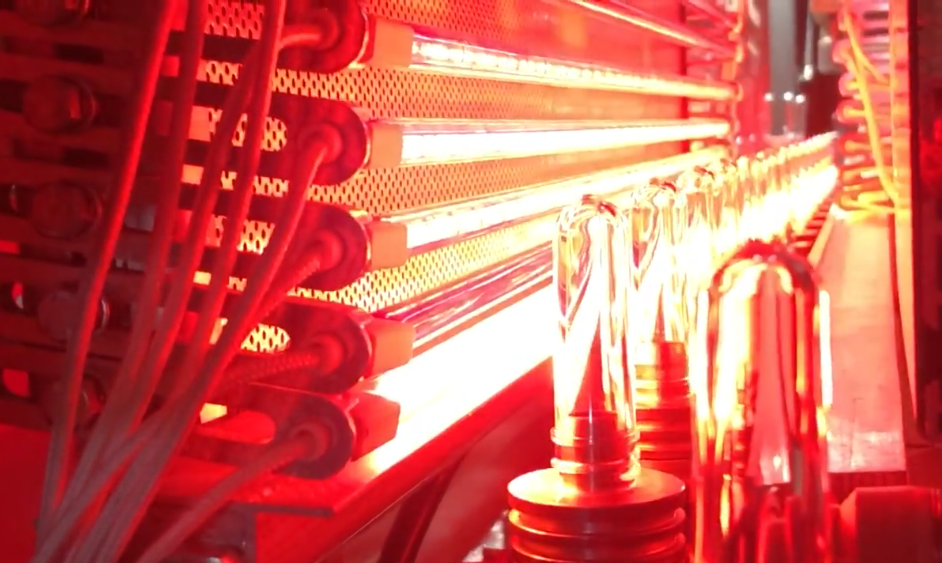
Ever pull a batch of bottles off the line and notice the walls are uneven? Or worse, the bottles are actually warping? It’s a headache we see all the time with KHS machines. Usually, it happens because the lamps are getting old, or someone tried to save a few bucks with generic replacements that just don’t hit the same thermal profile as the originals. That’s why we built our replacement lamps for Sidel and KHS systems differently. We stopped obsessing over just “heat” and started focusing on where that heat actually lands. The secret is in the filament. Think about it: if the wattage jumps around or the filament is even slightly off-center, you get “cold spots.” When the PET preform hits those spots, it doesn’t stretch right. It’s frustrating. We tightened the tolerances on the filament winding to keep the thermal output flat across the whole quartz tube. The best part? You don’t have to “over-crank” the power on specific zones to compensate. That usually just kills your lamps faster. No fancy installation required. These are simple drop-in replacements. We used heavy-wall quartz so they can handle the shock of rapid heating and cooling without cracking. The connectors match your existing footprint exactly. You just wire them up and get back to work—no modifications, no drilling, no fuss. We also added a specific halogen cycle to stop tungsten from baking onto the glass. It keeps the light clear and the heat flowing for thousands of hours. One quick heads-up, though. Pushing for maximum uniformity and high wattage puts a lot of stress on your lamp housing. Here is the thing: even the best lamp in the world can’t save you if your oven’s cooling fans are clogged with dust. If the airflow is blocked, the heat builds up around the sockets and fries your wiring. Keep your fans clean. It’s a small chore, but it’s the only way to make sure your quartz lasts as long as it should.