


Why We Use Halogen Infrared Tubes in rotary Ovens
Most ovens just heat up the air and hope for the best. But if you’re serious about baking, you want something that hits the dough directly. That’s where halogen infrared (IR) tubes come in. We build these to send out short-wave radiation that sinks right into the surface of the bread the second it hits the heat.
How the heat actually works
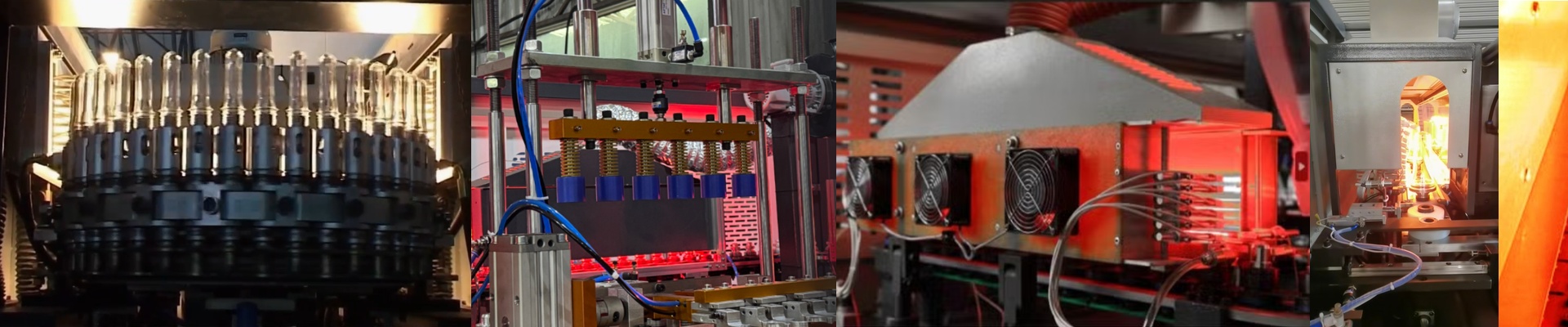
Think of a traditional heating coil. Now, forget that. A halogen tube is a bit different—it’s a tungsten filament tucked inside a quartz envelope filled with halogen gas. The gas does a clever trick: it stops the filament from wearing out too fast. This means you get way higher temperatures and a tube that actually lasts. In a rotary oven, we position these tubes so they hit the bread from every single angle while the rack spins. No more guessing if the back left corner of the tray is still cold.
The nitty-gritty on the hardware
We usually build these for high-density heat. If you’re running a 400V system, you can push a lot of power through a small space without worrying about your wiring melting down. And the glass? It has to be high-purity quartz. If it isn’t, the tube just absorbs the IR waves instead of letting them reach your bread. Then there are the connectors—we stick with R7s or Sk15. Why? Because things happen. Tubes burn out. It always happens right in the middle of a rush. You need to be able to pop a new one in and get back to work. You definitely shouldn’t be messing around with soldering irons in a hot, hectic kitchen.
The catch (and how to handle it)
Here’s the thing: IR heating is fast. Like, really fast. If your PID controller isn’t dialed in just right, you’ll end up with a scorched crust and a raw center. It’s a balancing act between that intense IR heat and the air from your convection fans. Also, keep in mind that high-wattage quartz is fragile. One bad bump from a baker or too much vibration from the rotary motor, and you’ve got a cracked tube. To stop that from happening, we use reinforced mounting brackets. It keeps the tubes isolated from the machine’s shaking, so they can just do their job in peace.