

Getting Your Sidel Matrix B2B Lamps Right
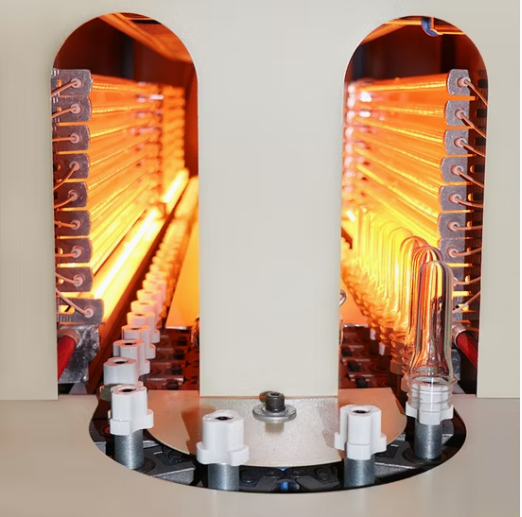
Here is the real danger when you swap out OEM lamps in a Sidel Matrix B2B: the temperature ramp-up shifts. It sounds like a small thing, but if the wattage or spectral output is even slightly off, your preforms heat unevenly. The result? Bottles with weird wall thickness. Not exactly what you want. That’s why we build our replacement lamps to be dead-on matches. No guessing, no “close enough.”
The nitty-gritty of the match
We spec our filaments to hit the exact voltage and wattage the Matrix B2B expects. This keeps the power density per millimeter exactly where it needs to be. Think of it like this. If a lamp is under-powered, the preform won’t hit that critical glass transition temperature in time. But if it’s too hot? You’ll scorch the PET. It’s a tight window. We obsess over the ohmic resistance of the tungsten filament so your heating curves stay flat and predictable.
Quartz and fitment
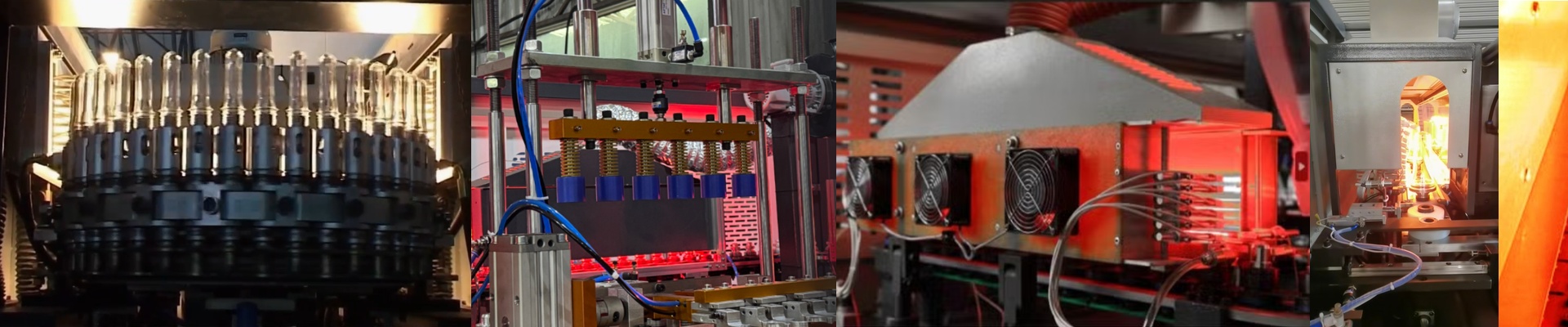
We use high-purity quartz glass because these lamps take a beating from intense shortwave IR radiation. As for the fit, we use standard industrial connectors—usually R7s or Sk15. You just drop them in. No messing with the wiring, no hacking the lamp holders. The physical footprint is exact, too. No rattling in the oven and no fighting with the reflectors to get them aligned. It just fits.
A few things to watch out for
High-wattage IR lamps put out a massive amount of heat. That puts a lot of pressure on your oven’s ventilation. If your cooling blowers are clogged or just dying, even the best lamp in the world can overheat the surrounding housing. Do yourself a favor and check your airflow before you install the new lamps. It’ll save your filaments from burning out way too early. And since our lamps use the same infrared wavelength as the originals, you don’t have to touch your oven settings. You won’t spend half your afternoon recalibrating the machine just because you changed a few bulbs. You just plug them in and get back to work.