
Giving Old PET Blow-Molding Machines a Second Life
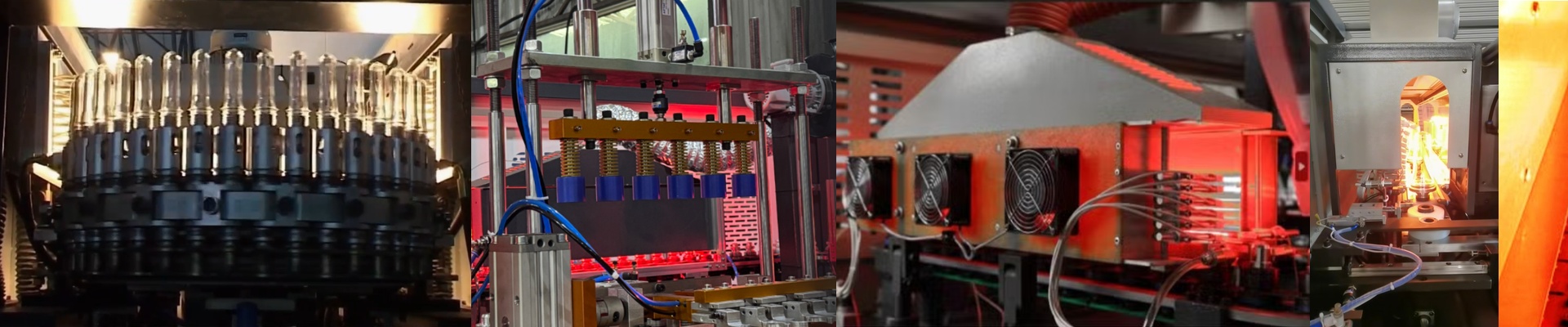
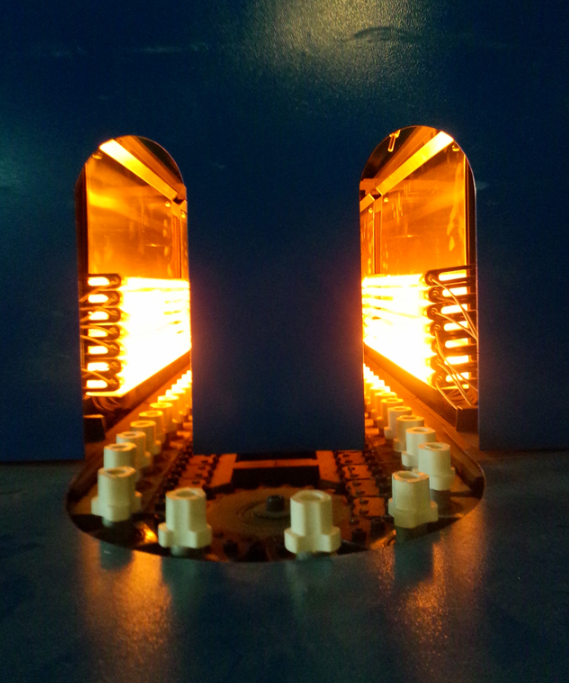
If you’re running a mid-sized blow-molding line, you know the frustration. As the machines get older, the preform heating starts getting moody. One batch is perfect, the next is a mess. Your first instinct might be to rip out the whole oven and start over. But honestly? That’s usually overkill. Most of the time, the real culprit is just the IR lamps. Swapping those tired old filaments for high-density replacements can seriously shave time off your cycles without you having to rebuild the entire machine. The trick is all about heat density. Think of it this way: if you put a higher wattage lamp in the same spot, you’re shoving more energy into the preform in a shorter amount of time. When you switch to a high-output shortwave lamp, the energy punches through the PET wall much faster. That’s the win. It means you can speed up the conveyor or even cut down on the number of heating zones you’re using. Just a heads-up—don’t just plug and play without checking your power. If you swap a 1500W tube for a 2500W one, your wiring and breakers need to be up for the task. Otherwise, you’re just going to be staring at a tripped breaker. The nitty-gritty on the gear We use quartz glass with specific halogen coatings. Why? Because it shifts the IR emission to hit the exact “sweet spot” that PET absorbs. Instead of wasting heat by warming up the oven walls, the energy actually goes into the plastic. As for the fit, we stick to the basics like R7s or Sk15. They’re simple drop-ins. They slide right into your existing sockets, so you aren’t spending your weekend rewiring the whole oven. The trade-offs (because there’s always a catch) Here’s the thing: more heat density means more bottles per minute, but it also makes your cooling system work harder. If you crank up the IR output, the oven is going to get hot. Really hot. If your exhaust fans are clogged or dying, you’re going to overheat the preform neck, and you’ll end up with deformed finishes. And please, for the love of your production line, make sure the lamps are aligned. A skewed tube creates hot spots, and that’s a one-way ticket to uneven wall thickness. Keep them straight, keep the fans clean, and you’re golden.