
Getting Your SIG Blomax Lamps Right
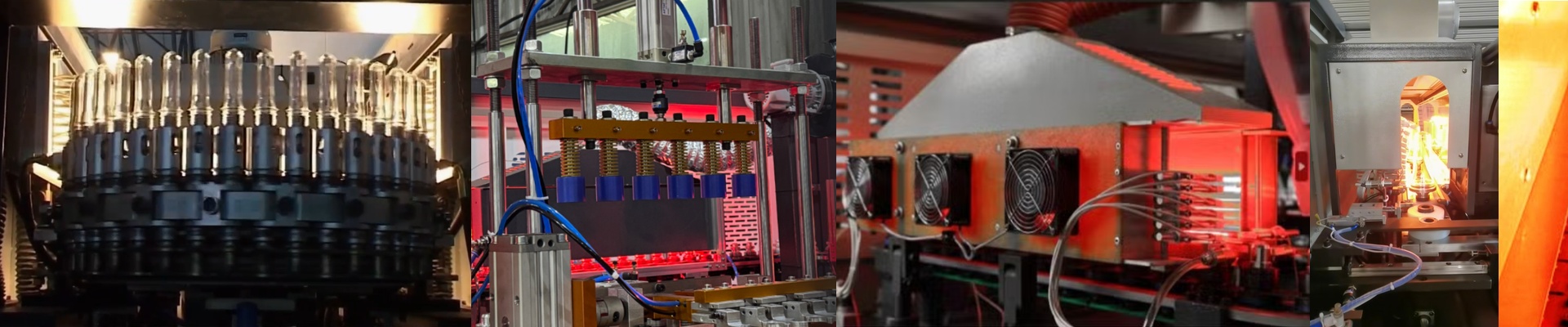
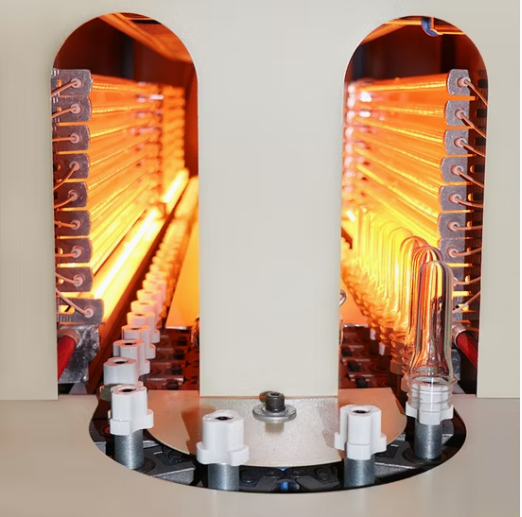
If you’re running a SIG Blomax or a SACMI machine, you know the deal. Everything moves fast. To keep those cycles tight, your heating lamps can’t afford to “wake up” slowly. They need to hit peak temperature the second you flip the switch. That’s why we built our replacement lamps to cut out the lag. No waiting around. Just instant infrared heat. The secret to the speed It really comes down to the glass and the gas. We use high-purity quartz and a specific halogen cycle so the filament jumps to operating temperature immediately. Why does that matter? Because “cold spots” are a nightmare. If the PET preform isn’t heated evenly, you end up with weird wall thicknesses or that cloudy, pearlescent look in your bottles. Nobody wants to ship those. No headaches during install We made these as simple drop-in replacements. You won’t have to mess with your wiring or bend any brackets to make them fit. The connectors match the original OEM footprint exactly. It’s a tight fit, which means no arcing when the high-frequency switching kicks in. You just plug them in and get back to work. A quick word on wattage Here is the thing: it’s tempting to bump up the wattage to shave a few more seconds off your cycle. More power equals more heat density, which sounds great on paper. But there’s a catch. Pushing more power through a short tube puts a lot of stress on your cooling blowers. Before you go for a higher-wattage lamp, just double-check that your cooling system can actually handle the extra heat. If the oven housing gets too hot, you might warp your reflectors, and then you’ve got a much bigger problem on your hands. Built to last the grind High-cadence production is brutal on equipment. These tubes take a beating. We spend a lot of time making sure the quartz end-seals are airtight. If gas leaks out, the halogen cycle breaks and the filament burns out way too soon. To make sure you aren’t dealing with “dead on arrival” parts, we test every batch for voltage stability. They shouldn’t pop the moment you wire them to the controller. Period.