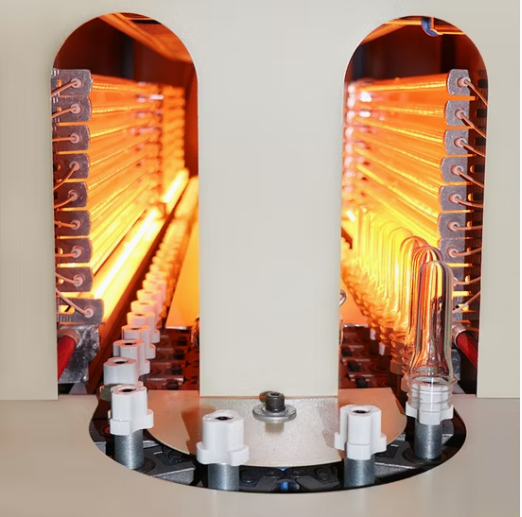
Stop Fighting Your SIPA Oven
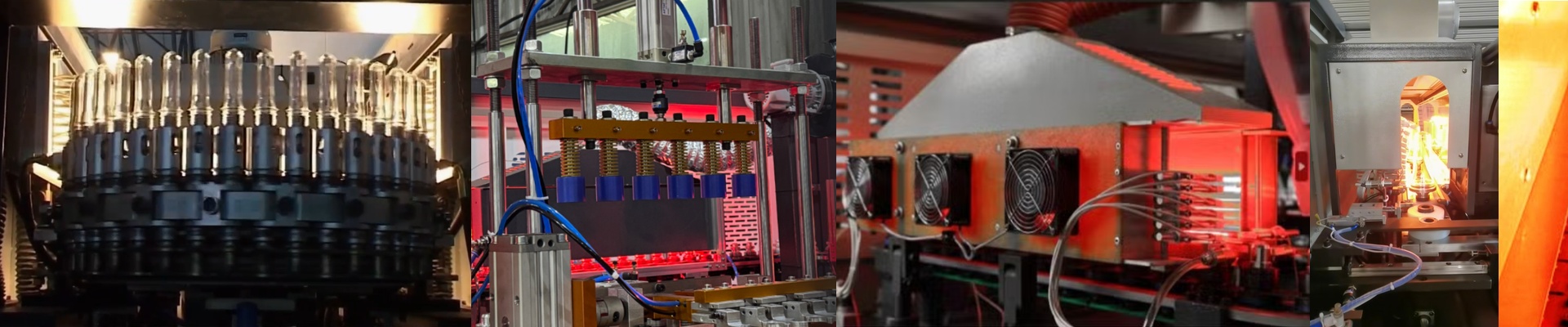
Ever get those annoying pearlescent streaks or weird wall thickness in your PET bottles? It’s frustrating. You spend hours tweaking the settings, but the bottles still come out inconsistent. Here’s the thing: it’s usually not the oven itself. It’s the lamps. Most people just toss in any IR lamp that fits. But if you’re mixing brands or different batches, you’re dealing with power variances. One lamp hits hard, the next one lags. That’s how you get cold spots on your preforms. We fix this by power-matching our IR lamps. They’re designed to drop right into your SIPA setup, but with a key difference: they actually pull the same current. The “Hidden” Problem Standard lamps usually have a 5% or 10% tolerance. That sounds small on paper. But in a rotary oven, a 5% drop in wattage is the difference between a perfect bottle and a reject. By tightening those specs, we take the guesswork out of your PID tuning. You stop chasing the settings and finally get a flat, steady thermal profile across the whole preform. It just works. The Gear We use heavy-wall quartz glass. Why? Because when things get hot, cheap filaments sag. Ours stay put. We also stick to R7s or SK15 connectors. You won’t have to rewire your sockets or “make it fit.” Plus, the halogen cycle keeps the tubes crystal clear. Once the glass blacks out, your heat transfer tanks, and you’re back to square one. A Quick Heads-Up for the Shop Floor Shortwave lamps pack a massive punch of heat. That’s great for fast cycles, but it puts a lot of pressure on your cooling blowers. If your airflow is weak, the ends of the lamps can overheat and fry your sockets. Before you crank these up to 100%, just double-check that your cooling system can handle the load. When the wattage matches your SIPA specs exactly, that “hunting” effect in your controllers disappears. You stop fighting the machine and start hitting your targets.