Stop Fighting Cold Spots in Your SIPA Rotary Systems
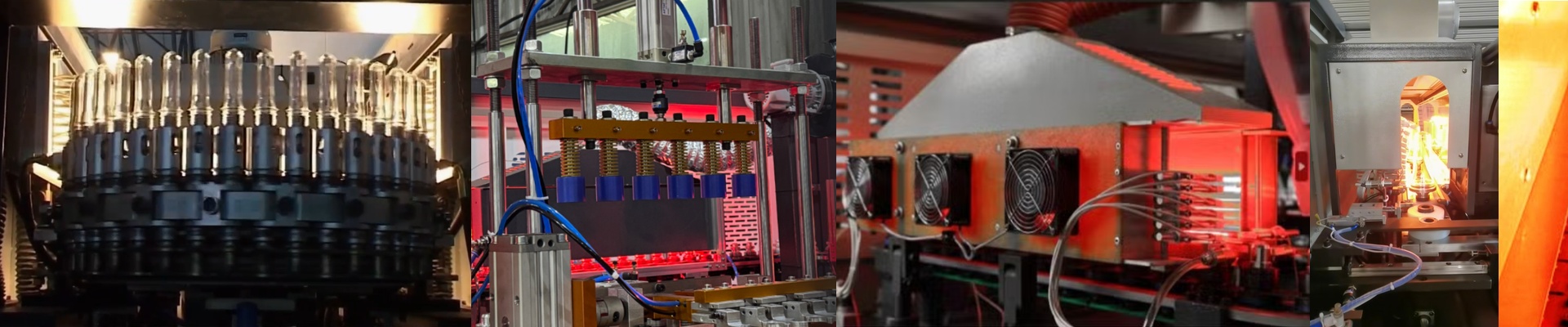
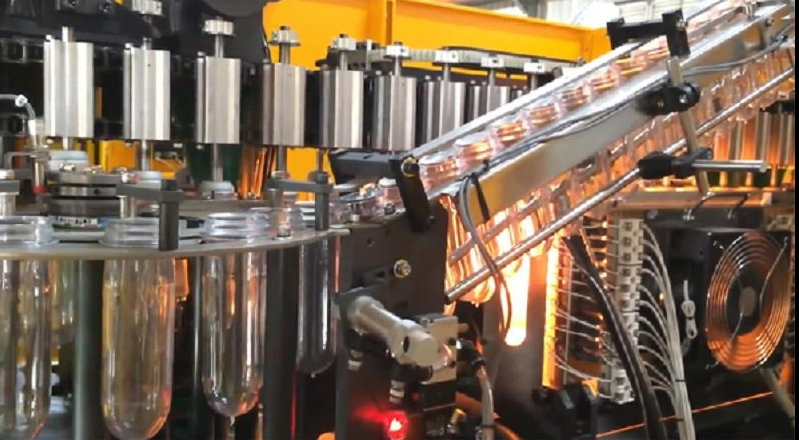
Ever notice your bottle walls looking a bit wonky? One side is thin, the other is thick, and you can’t figure out why. Usually, it comes down to a simple mistake: the “generic” replacement lamp. Here’s the thing. When a lamp burns out and you pop in a cheap alternative that doesn’t match the original wattage or voltage exactly, you’re basically inviting cold spots into your machine. Your PET preforms don’t heat evenly, and your bottle quality takes a dive. It’s all about the power. We build our quartz lamps to hit SIPA specs exactly. Why? Because even a tiny 5% shift in voltage changes how the infrared heat actually hits the plastic. A lot of low-grade lamps have this annoying “end-loss” problem where the heat just dies out near the connectors. It’s frustrating. We fix that by calibrating the filament winding so the heat stays flat and consistent across the entire tube. Every single preform gets the same treatment. No guessing games. No rewiring, no headaches. We use high-purity fused quartz because these things take a beating with constant heating and cooling. Depending on what you’re running, we use R7s or SK15 connectors. They’re simple drop-in replacements. You don’t have to mess with your racks or change your layout. Just swap them in and get back to work. And if you need the heat to soak deeper into the PET without scorching the surface, we can add specialized coatings to the quartz. It just works better. One quick tip for your maintenance crew… High-wattage lamps are great for speed, but they’re tough on your electrical contacts. Check your sockets for carbon buildup or oxidation. If you’ve got a loose connection at the R7s base, it’ll start arcing. That’ll kill a lamp fast, no matter how high the quality of the quartz is. Keep those contacts clean. Your equipment—and your sanity—will thank you.